Leipzig – Dresden – Prague
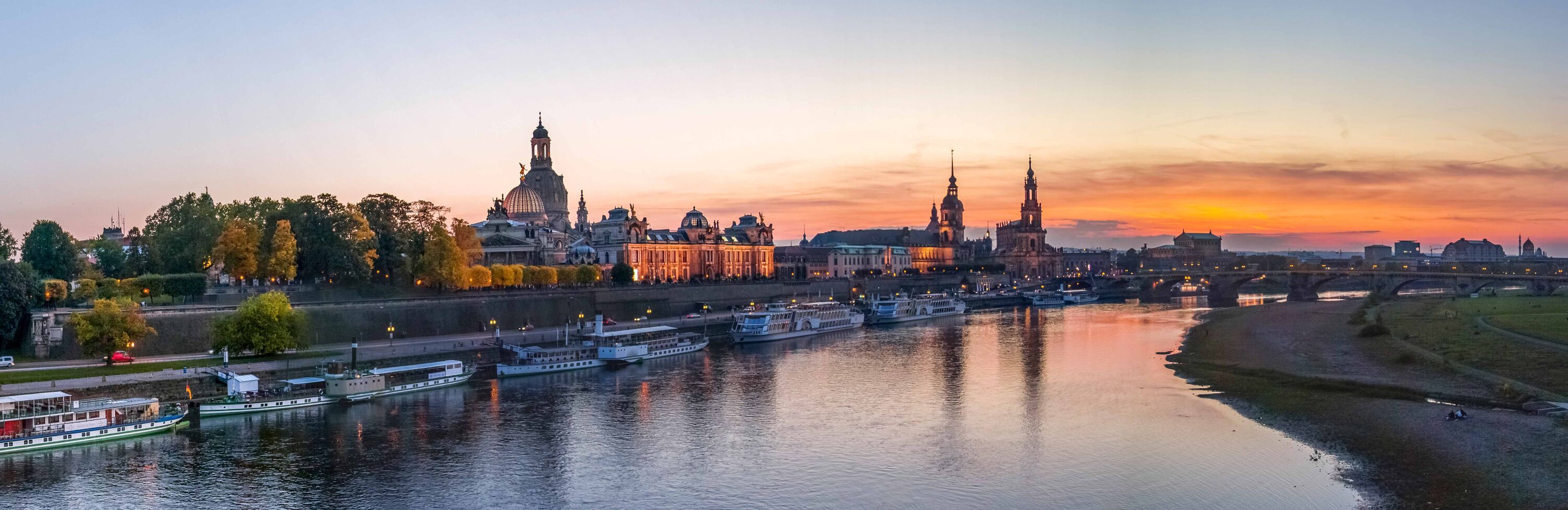
Suggested route
3 cities, 2 countries, stunning natural diversity
Travelling sustainably from A to B
There are direct train connections between the towns.
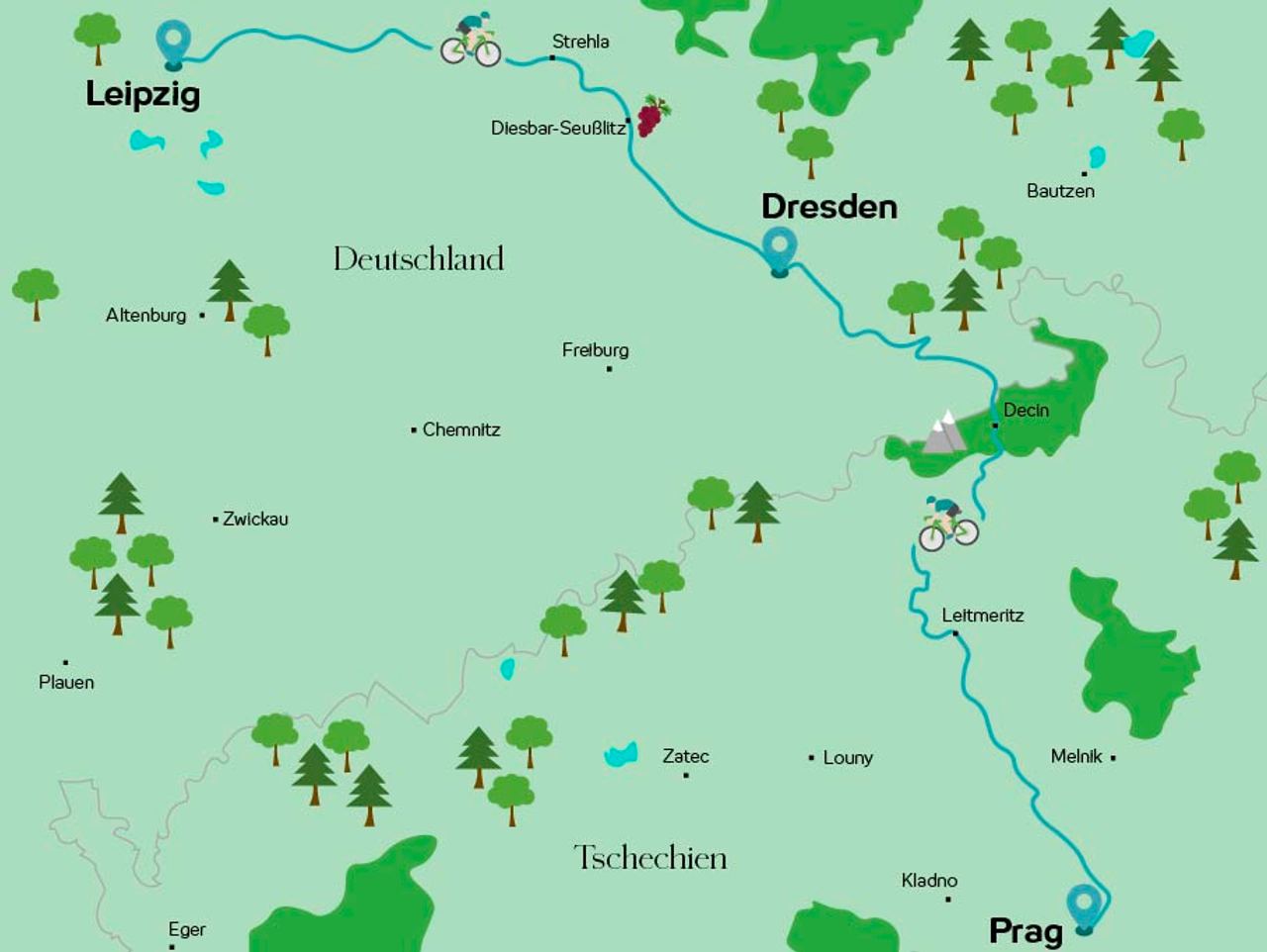
But if you want to explore eastern Germany and neighbouring Czech Republic by bike, follow the Elbe Cycle Route for several days. On day 1, the route takes you from Leipzig to the small village of Strehla, where you join the Elbe Cycle Route. Once you’ve reached it, the cycle route is relatively flat and well signposted. On Day 2, you can take several breaks along the route, for example to enjoy refreshments at the vineyards of Diesbar-Seußlitz or, around 15 kilometres upstream, to visit the Meissen porcelain factory. Afterwards, you cover the final 25 kilometres into Dresden city centre.
The cycle tour between Dresden and Prague follows the Elbe Cycle Route for around 140 kilometres, passing through the cliffs of the Elbe Sandstone Mountains across the border to Decin (Day 3) and through the landscapes of the Elbe Valley to Leitmeritz (Day 4). On the final stage on Day 5, you switch to the Vltava Cycle Route in Melnik and cycle the last few kilometres along the river to the Czech capital.
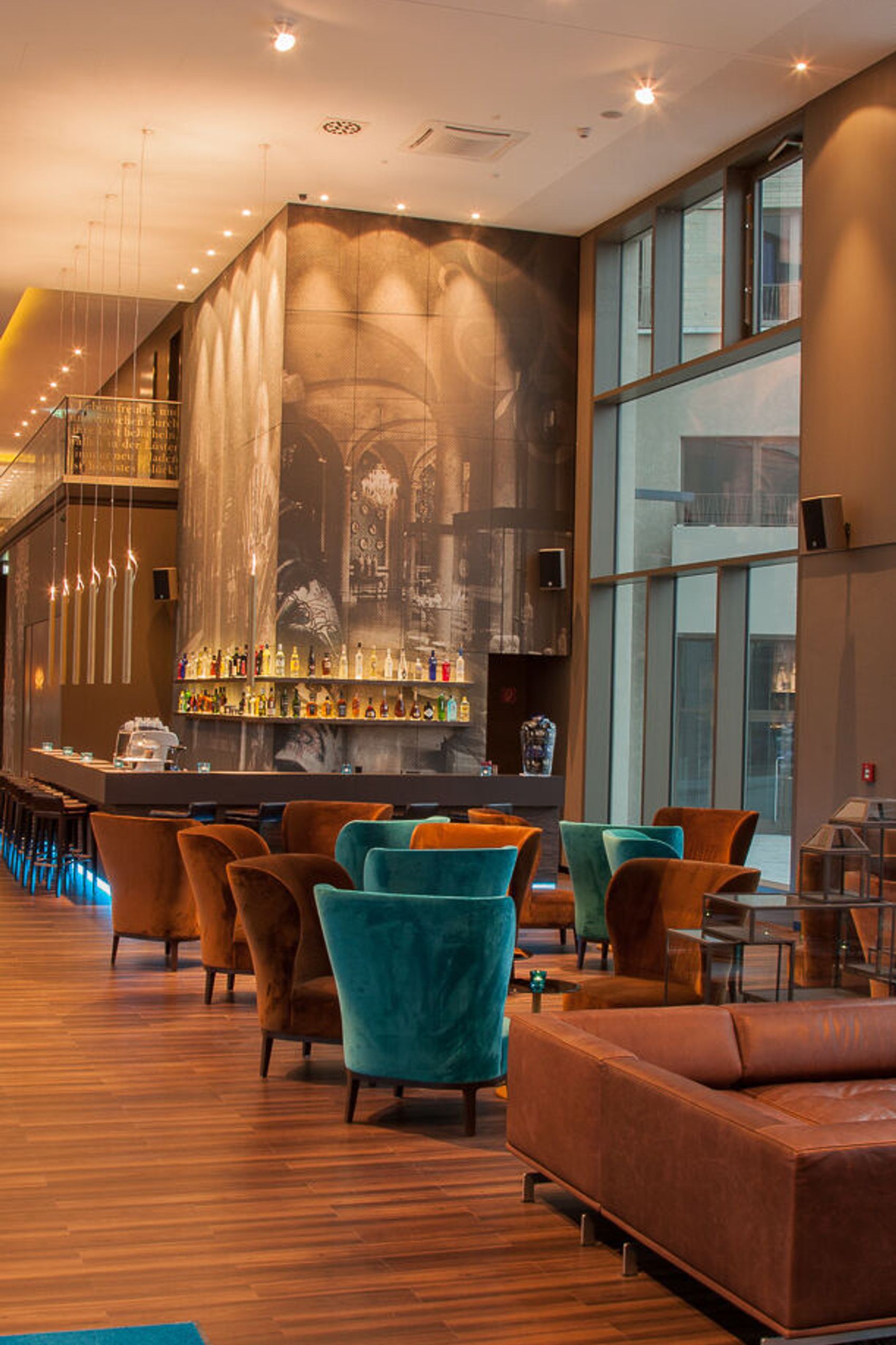
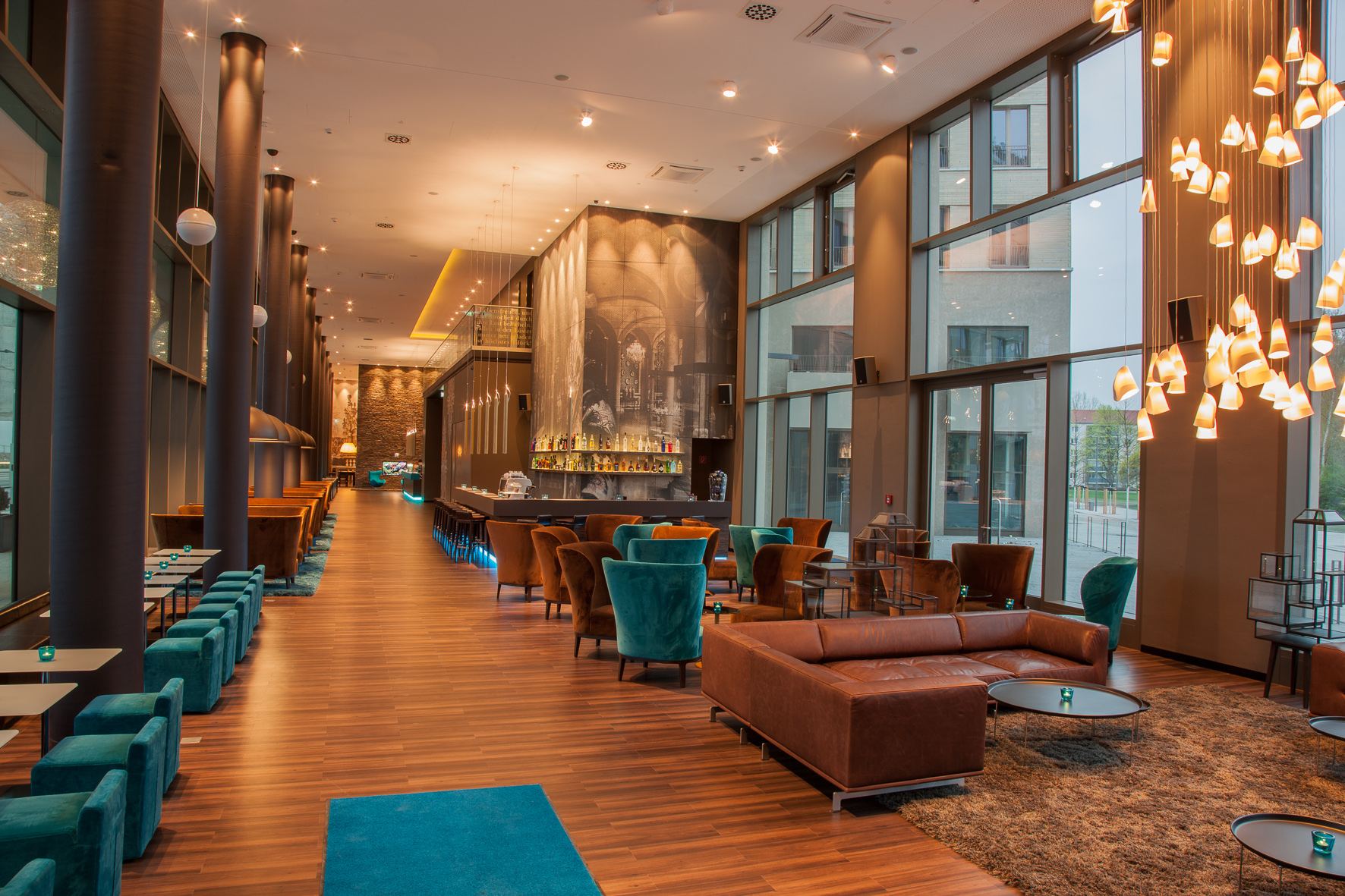
Practical information: We have secure bicycle storage facilities at our hotels in Leipzig-Nikolaikirche and Dresden.
Route
Leipzig – Dresden:
approx. 120 kilometres;
journey time by train: approx. 1 hour;
journey time by bike: approx. 6 hours or as a 2-day tour
Dresden – Prague:
approx. 150 kilometres
Travel time by train: approx. 2 hours
Travel time by bike: approx. 9 hours or as a 3-day tour
Starting point: Leipzig
In recent years, Leipzig has transformed from a dull, unassuming town into a lively city with a vibrant arts scene. Instead of grey, the city wants to go green. The aim is to be carbon-neutral by 2050 at the latest – to this end, the public transport network and cycle paths have been expanded, making a car virtually unnecessary for visitors.
What’s there to see?
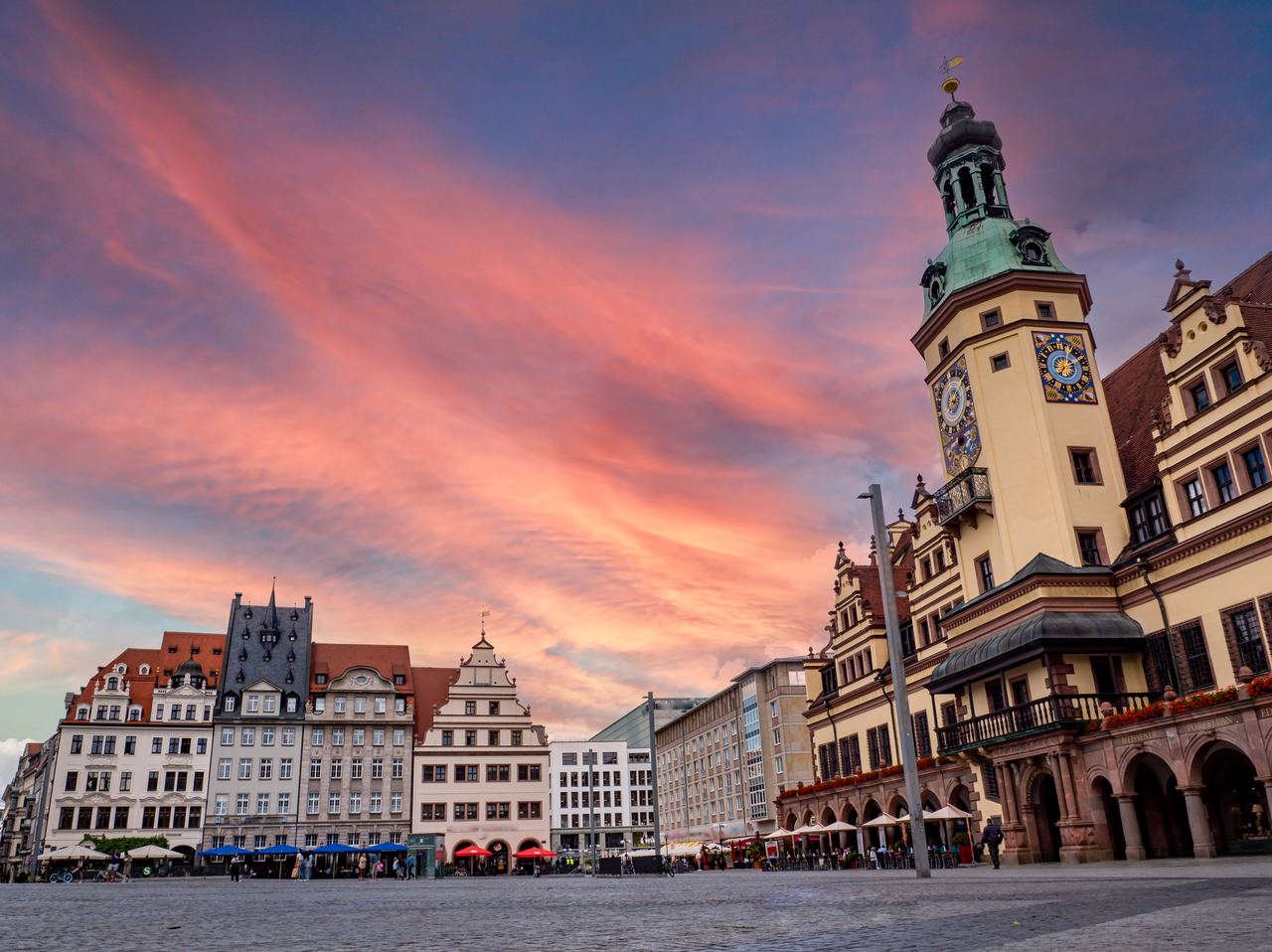
Leipzig is steeped in history and historic architecture. The best way to explore the city’s highlights is on foot. Start at the Market Square, where you’ll find two must-sees: St Nicholas’ Church (which was a central starting point for the peaceful revolution in the GDR) and the Old Town Hall. The Mädler-Passage is somewhat hidden away. Here you can not only shop, but also pop into the Auerbach Keller, which features in Goethe’s Faust. An insider tip for architecture fans is the Bibliotheca Albertina, just a few metres from Clara Zetkin Park. The university library was voted Library of the Year in 2017 and is open to everyone. Just outside the city centre, but reachable by public transport in about 30 minutes, lies what is probably the city’s most famous monument: the Monument to the Battle of the Nations. It is particularly impressive at sunset.
Green and (almost) free
Free museums: Many museums are free on selected days. The Grassi Museum, which houses the Museum of Ethnography, the Museum of Applied Arts and the Museum of Musical Instruments, opens its doors free of charge every first Wednesday of the month, as does the Museum of Fine Arts. The Gallery of Contemporary Art is free every Wednesday, and the Bach Museum on the first Tuesday of the month.
Free walking tour: Learn more about the history of the sights and gain insights into city life – with Freetour Leipzig, this is possible on a donation basis. For those who prefer to explore the city on their own but still want to learn something about the individual buildings, the audio clips from Talk Walks are highly recommended.
Animals up close: The Auwald is one of the city’s most popular local recreation areas. Leipzig Wildlife Park is situated in the southern part of the forest. It is home to 25 native animal species, and admission is free.
Pure indulgence
From plant-based meat alternatives at the butcher’s to vegan sushi at Niiko – in Leipzig, vegans and vegetarians can sample cuisine from all over the world. The upmarket restaurant Zest places great emphasis on local and seasonal ingredients, as does Symbiose, which is renowned for its extensive breakfast selection. Ouai also says “yes” to vegan cuisine, serving up Asian delicacies completely free from animal products.
Out into nature
What shall it be – hiking, cycling or cruising down the river? Leipzig is surrounded by picturesque landscapes. Those who enjoy walking or cycling by the water will be drawn to the Muldental valley south-east of Leipzig. Here, the River Mulde flows through green valleys, whilst historic towns such as Grimma and Colditz invite you to stop for a rest. Do you prefer to walk beneath a canopy of green leaves? Then head for the forests of the Dübener Heide.
That’s possible in summer
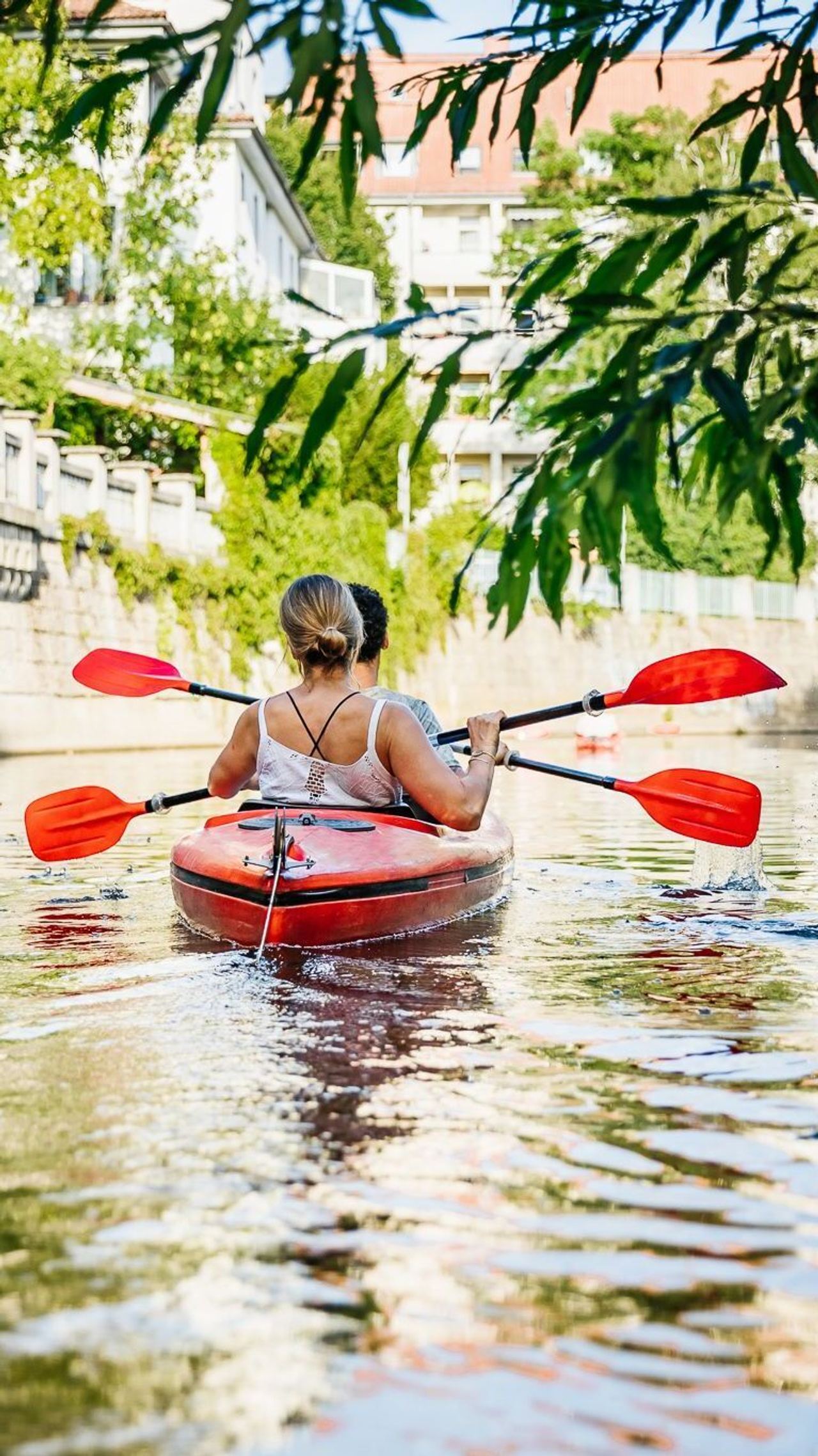
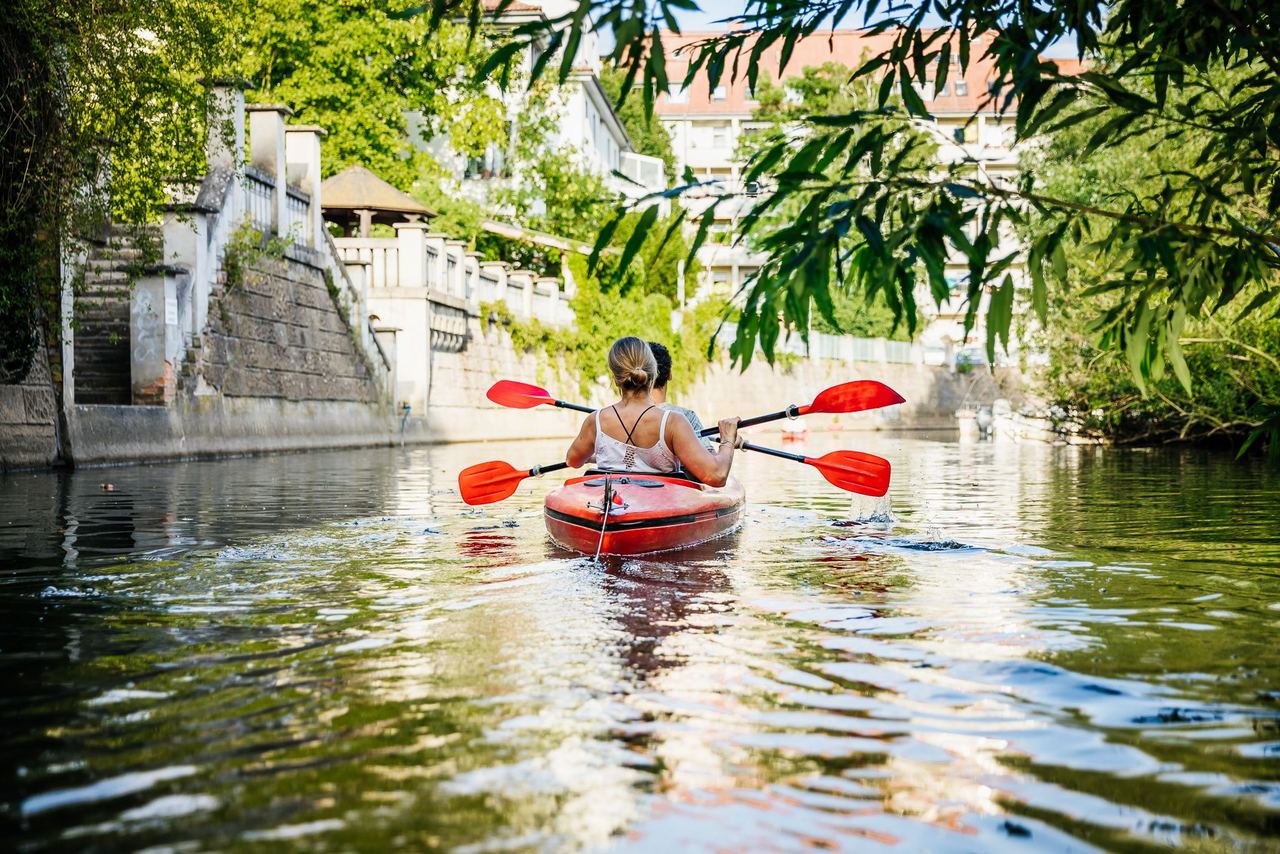
Leipzig in summer: that means heading to the lake and listening to concerts in the evening. On warm summer days, the Neuseenland water landscape attracts locals and visitors alike for swimming, canoeing or sailing. You can cycle there through the Auenwald city forest.
Leipzig has a reputation as a renowned city of music, hosting numerous festivals every summer. In the birthplace of Johann Sebastian Bach, for example, the Bach Festival takes place. Fans of alternative music are drawn to the Wave-Gotik-Treffen, the world’s largest gothic festival. Throughout the summer, concerts and theatre performances also take place on the open-air stage at the Geyserhaus socio-cultural centre. The Leipzig Water Festival offers a chance to cool off whilst enjoying live music, with raft trips, fireworks and water sports.
Stop 1: Dresden
Dresden plays a pioneering role in sustainability and social responsibility and was designated a Fairtrade Town in 2021. To ensure fair working conditions, support small businesses and make life in the city more attractive overall, Dresden relies on a well-developed network of cycle paths and local transport, which helps reduce CO2 emissions and improve air quality.
What’s there to see?
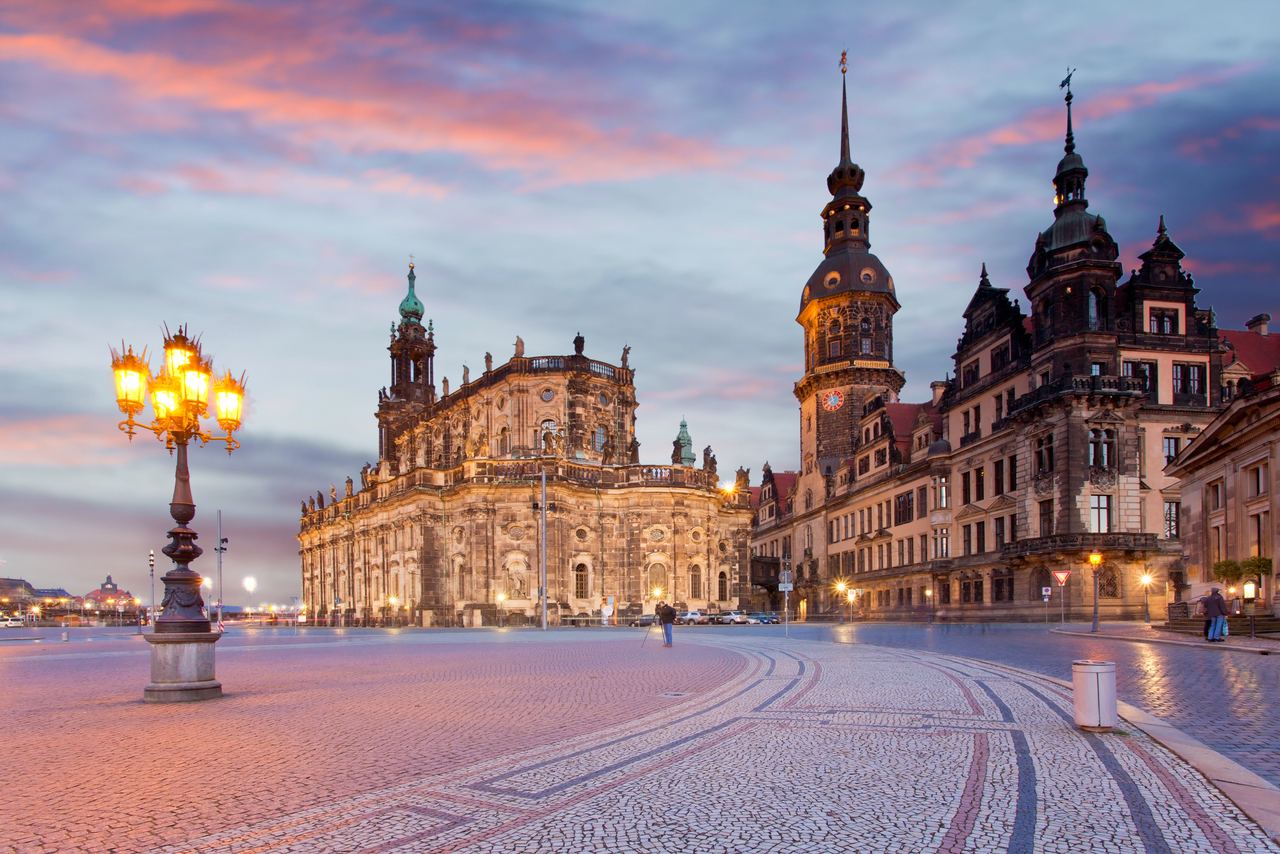
Dresden is famous for its impressive old town, featuring architectural masterpieces such as the Semper Opera House, the Zwinger (a Baroque palace complex) and the Royal Palace. However, the city’s landmark is the Frauenkirche. This Baroque church was rebuilt after its destruction in the Second World War and stands as a symbol of reconstruction and reconciliation. Don’t miss the Brühlsche Terrasse, known as the ‘Balcony of Europe’, which offers a beautiful view as a promenade overlooking the River Elbe. There is also a stunning view in the Green Vault – though here it is of precious jewels and historical treasures.
Green and (almost) free
Free art: metre-high murals, artistically designed rubbish bins or sculptures – Dresden has a vibrant creative scene, which is particularly at home in the districts of Neustadt, Friedrichstadt and Leipzig Vorstadt. You can also get a taste of the art scene for free every first Tuesday of the month at the State Art Collection.
Panoramic views: From the historic Bismarck Tower near the university campus, you can look out over the city as far as Saxon Switzerland. Entry to the 23-metre-high tower is free.
Getting around by bike: The Dresden bike-share scheme MOBIbike provides bikes for getting around the city. The first 30 minutes are free for students. Everyone who returns the bikes to a MOBI station also gets 10 minutes free.
Pure indulgence
Enjoy a burger at Falscher Hase in a cosy, living-room atmosphere; tuck into hearty roasts and schnitzel at Steffenhagen; or feast on kebabs at Der Dicke Schmidt – all of this is possible in Dresden, even if you’re vegan. If you’re out and about in the city centre and get peckish, you should try the cuisine at the vegetarian restaurant BrennNessel, set in a historic three-sided courtyard. For something more exotic, head to Vegan House for Vietnamese cuisine. Those with a sweet tooth can enjoy cake at Tanteleuk.
Out into nature
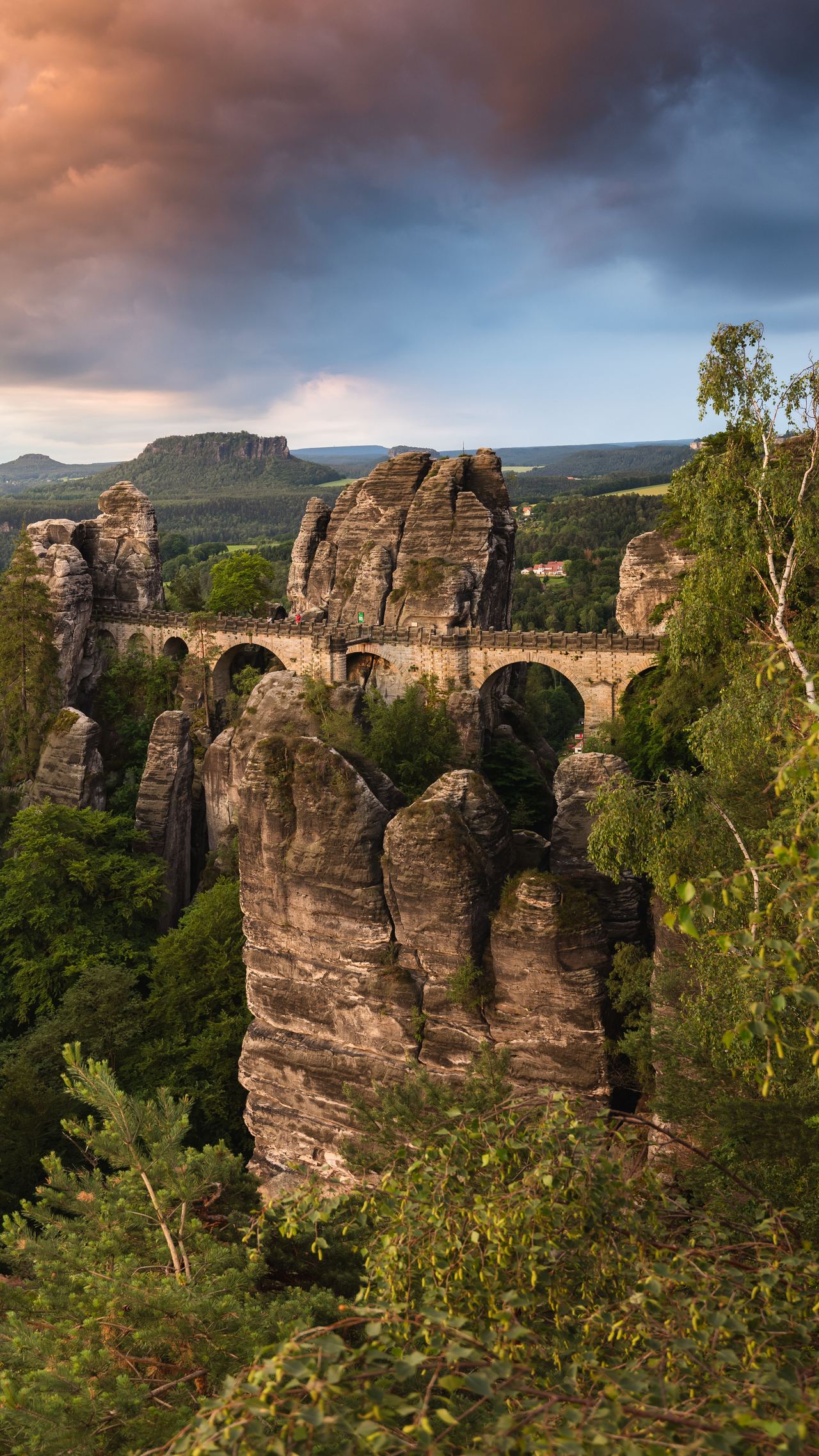
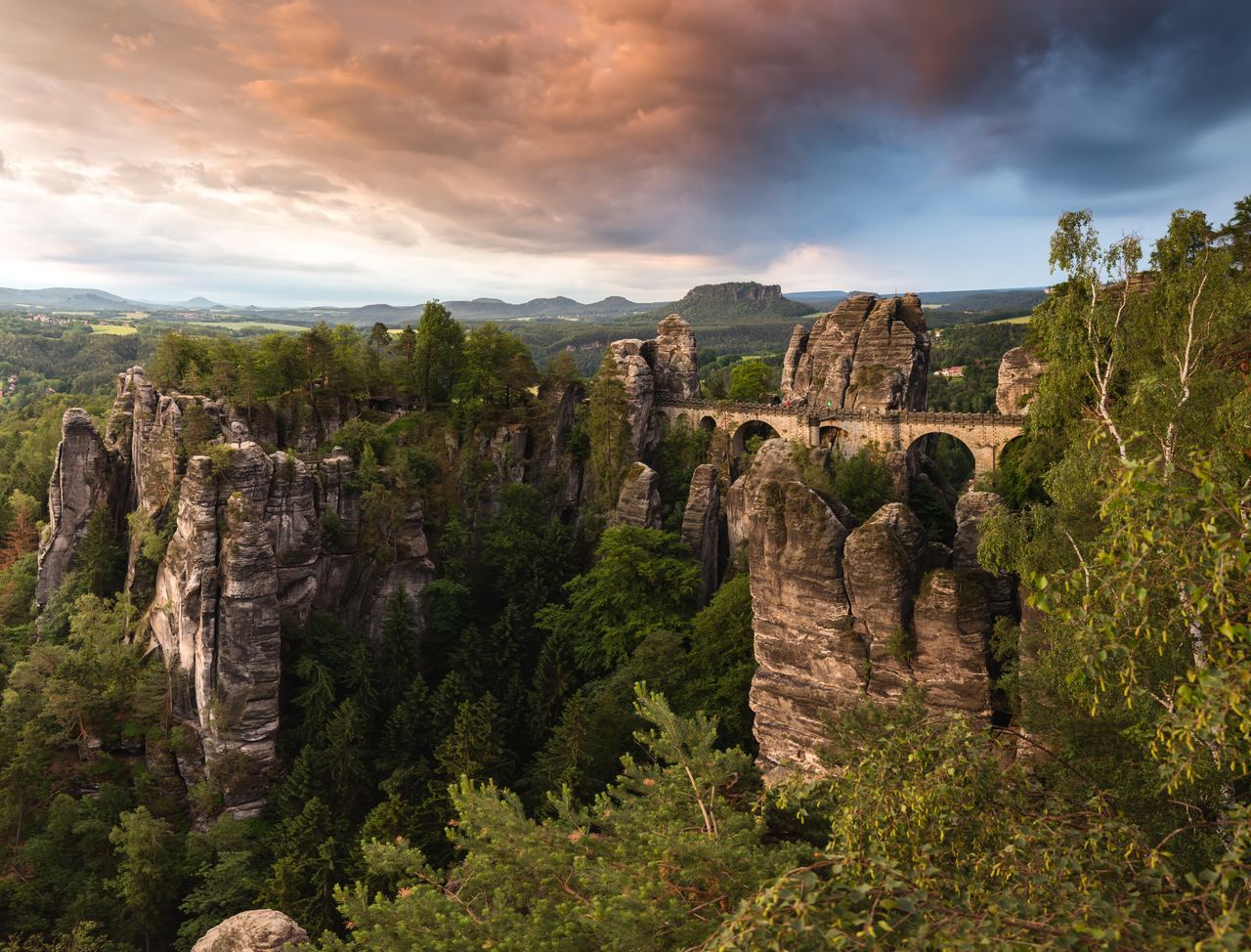
It’s almost hard to decide: should you head for the bizarre rock formations and deep gorges of Saxon Switzerland National Park? Or perhaps the idyllic lake landscape around Moritzburg Castle on a bike or canoe trip? Or go hiking in the Bohemian Uplands near the border through vast forests and unspoilt nature? If you don’t want to leave the city but are still looking for a green oasis, head to the Großer Garten and relax on the sweeping lawns and in the botanical garden.
What’s on in summer
Out into the fresh air – as in many other cities, this is the motto in Saxony’s capital during the warmer months. During the Film Nights on the banks of the Elbe, the cinema moves under the starry sky; at the Dixieland Festival and Canaletto, music is enjoyed al fresco; and open-air theatre performances take place regularly in the Großer Garten.
Where it’s warm, the longing for water isn’t far behind. Boat trips towards the Elbe Sandstone Mountains are particularly popular in the summer heat. Those who want to take a dip can make a detour to the quarry lakes at the Leuben gravel pit just outside the city.
Destination: Prague
Prague is one of Europe’s most popular city destinations. And quite rightly so, as the city offers a wealth of historical highlights packed into a compact area. To avoid getting flustered in the narrow streets and to do your bit for the environment, it’s best to leave your car at home. Trams, buses and bike hire services will get you to your destination just as quickly and comfortably.
What’s there to see?
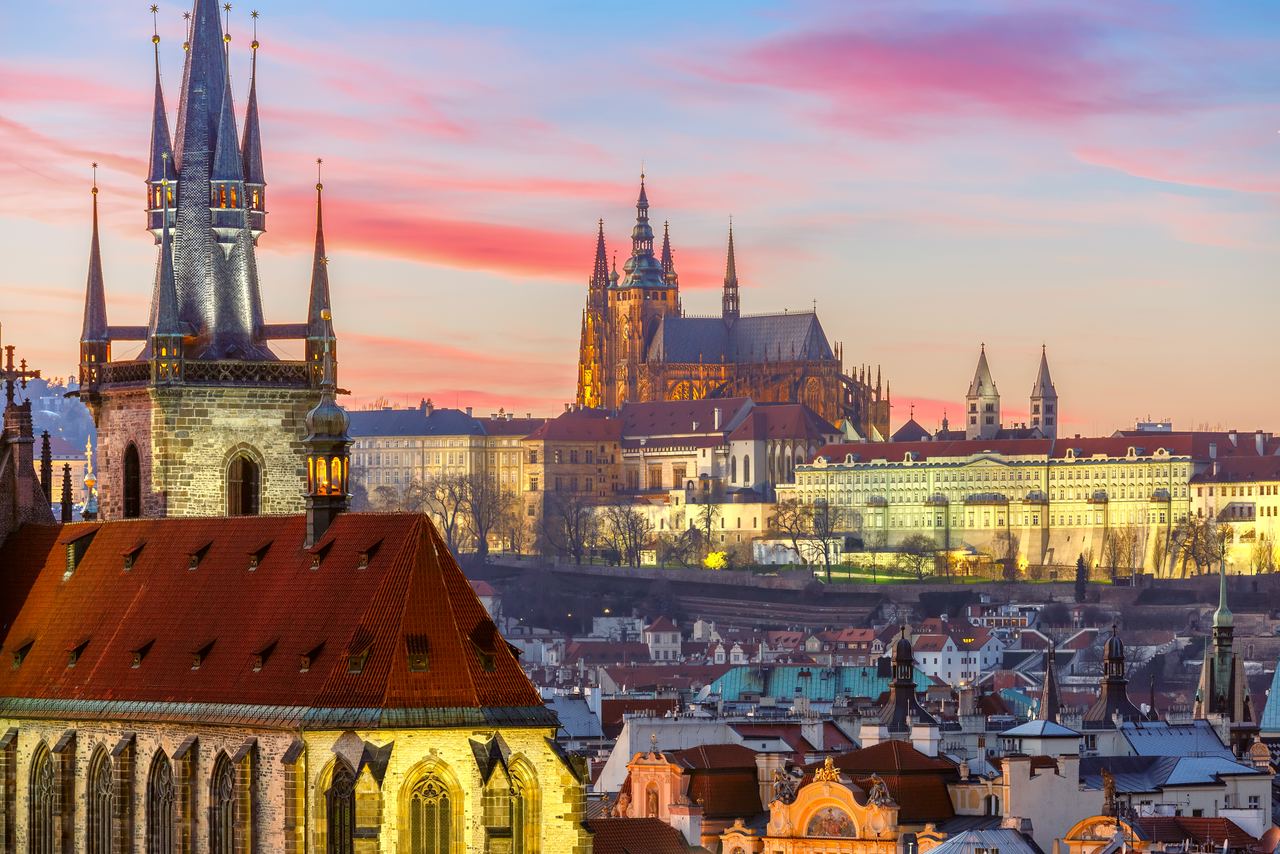
The city’s landmark, Prague Castle, towers high above the city and is a constant companion on every stroll. A tour of the Czech capital wouldn’t be complete without a visit to the famous Charles Bridge (incidentally, one of the oldest stone bridges in Europe), the Astronomical Clock, the Dancing House and Wenceslas Square, where you can watch the hustle and bustle of the city.
Green and (almost) free
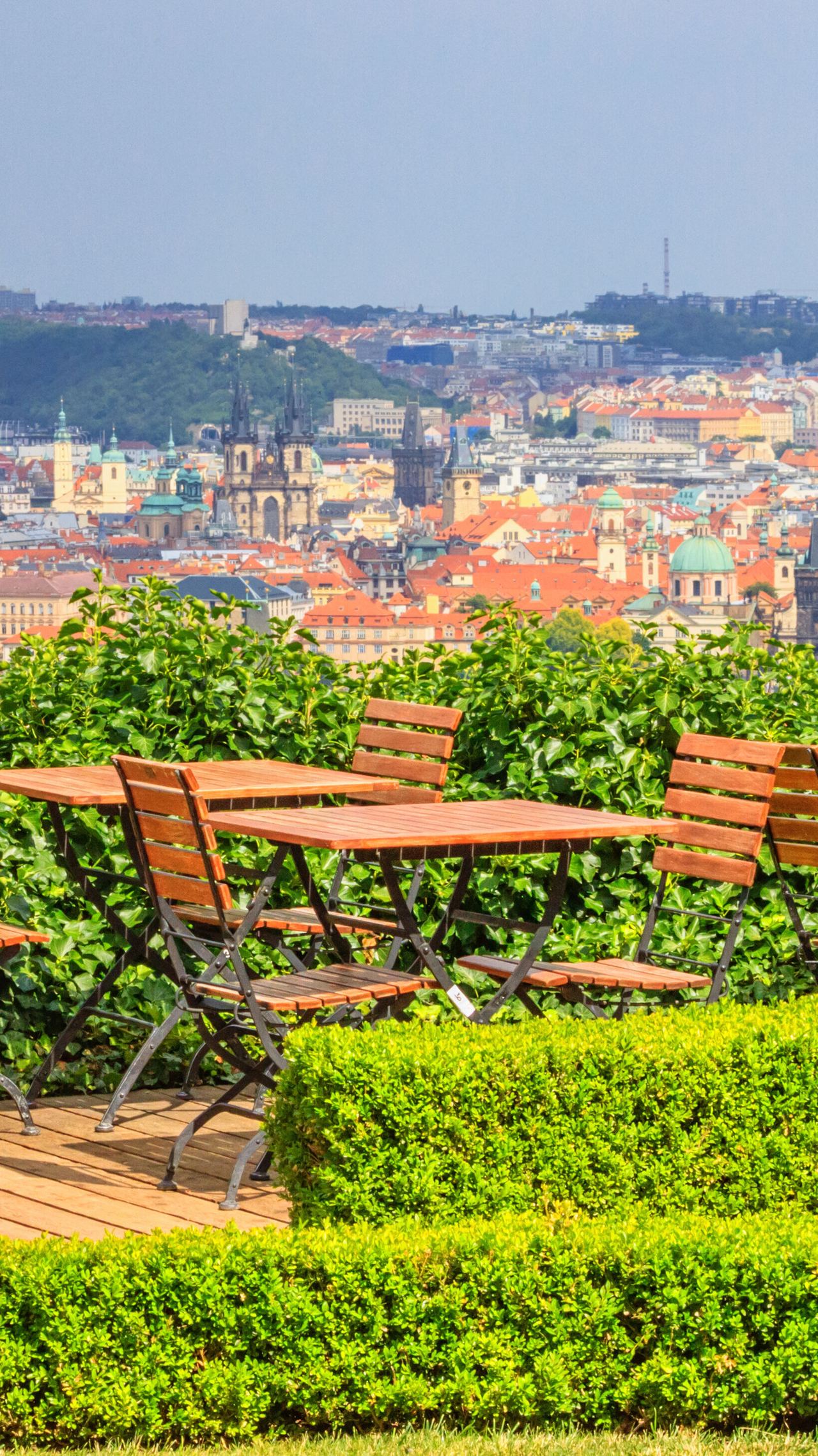
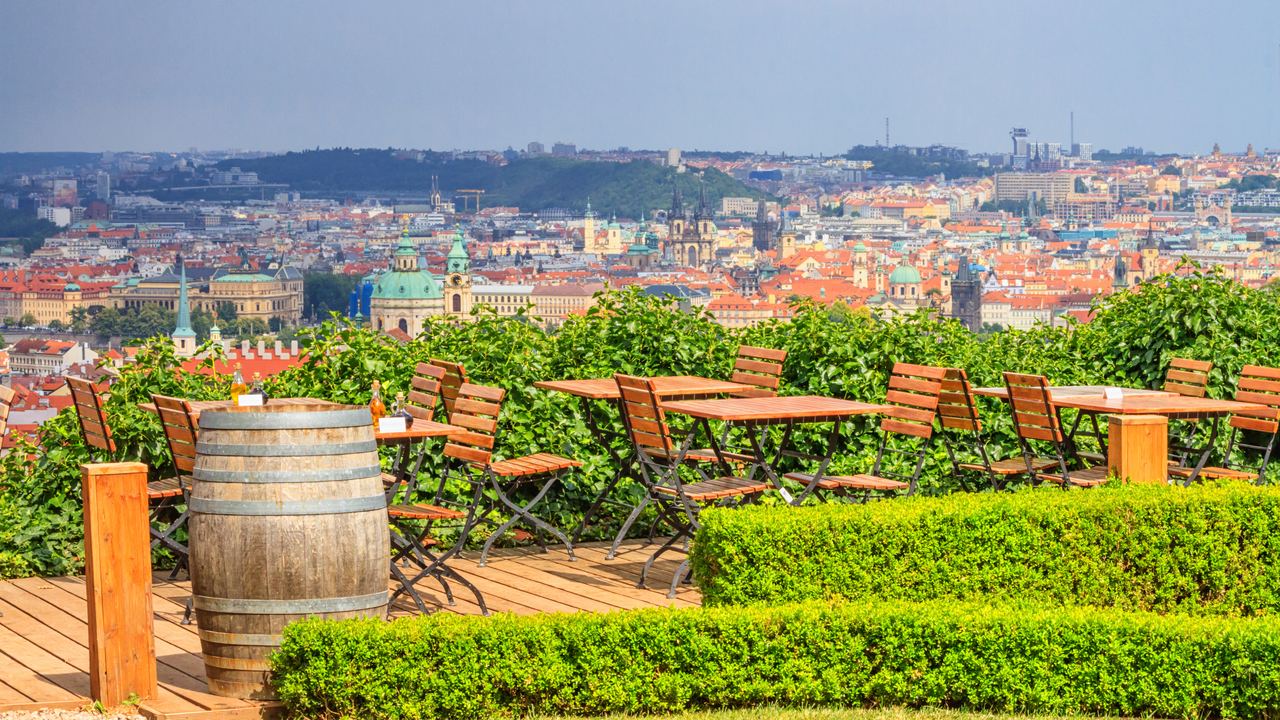
Panoramic views: From the hills of Prague, the city lies at your feet – complete with impressive vistas. These are particularly beautiful at sunset from Prague Castle, whose courtyards are accessible free of charge, with the exception of a few areas. The terrace in front of Strahovsky Monastery is considered an insider tip.
Public art: Stroll through the eras of art history and discover new favourite paintings – you can do this for free in Prague too. The National Gallery opens its doors free of charge on selected days. New favourite modern artworks can also be found in the city’s streets. Well worth seeing is the Kafka sculpture by David Černý behind the Quadrio shopping centre.
Free splendour: The Baroque Wallenstein Palace and its adjoining gardens are open to the public free of charge on Saturdays. Here you can marvel at the main hall with its elaborate ceiling frescoes, the Knights’ Hall and the artificial grotto wall.
Pure delight
Czech cuisine is famous for its hearty home-style cooking. Vegetarian and vegan restaurants prove that there’s more to it than that. Maitrea serves traditional dishes prepared vegan-style (e.g. goulash), whilst the trendy Pastva focuses on regional and seasonal ingredients. Lehká Hlava offers creative meat-free cuisine in unusual surroundings. Puro, a modern health food shop, specialises in vegan food and sells smoothies, ice cream and a changing selection of daily specials. Those with a sweet tooth will currently find happiness at Cafe und Bistro with homemade desserts and cakes.
Out into nature
In addition to the Bohemian Forest, which lies between Dresden and Prague, there are also numerous smaller towns in the immediate vicinity of the city whose natural beauty and history make for ideal day trips. The Gothic Karlštejn Castle sits enthroned on a hill some 30 kilometres away. You can take a guided tour of the castle, enjoy the views and immerse yourself in the surrounding countryside. Another highlight is Kutná Hora. This historic spa town is a UNESCO World Heritage Site and, alongside impressive historic buildings such as the Sedlec Ossuary (Bone Church), also offers vineyards perfect for a stroll. For slightly longer walks, head to the dense forests around Krivoklát Castle, west of Prague. There are numerous hiking trails there.
Things to do in summer
The Czech Republic has a long beer tradition, which is savoured to the full in the city’s beer gardens. What else do people like to do in Prague? Party! And in summer, you can do just that at numerous festivals such as the United Island of Prague Festival, where over 70 concerts take place on islands in the middle of the Vltava. The Metronome Festival offers a musical and artistic experience, whilst the Prague Fringe also features theatre and comedy performances. Prefer something more laid-back? Then head to Letná Park: ‘Létní Letná’ offers a variety of evening activities, including open-air cinema, theatre and circus performances.
During the day, take public transport to Slapy Reservoir, about an hour away: in this local recreation area, you can swim, sail, go boating or simply soak up the sun on the shore.
Fancy extending the route?
Then start your road trip from Magdeburg.