Off to new horizons
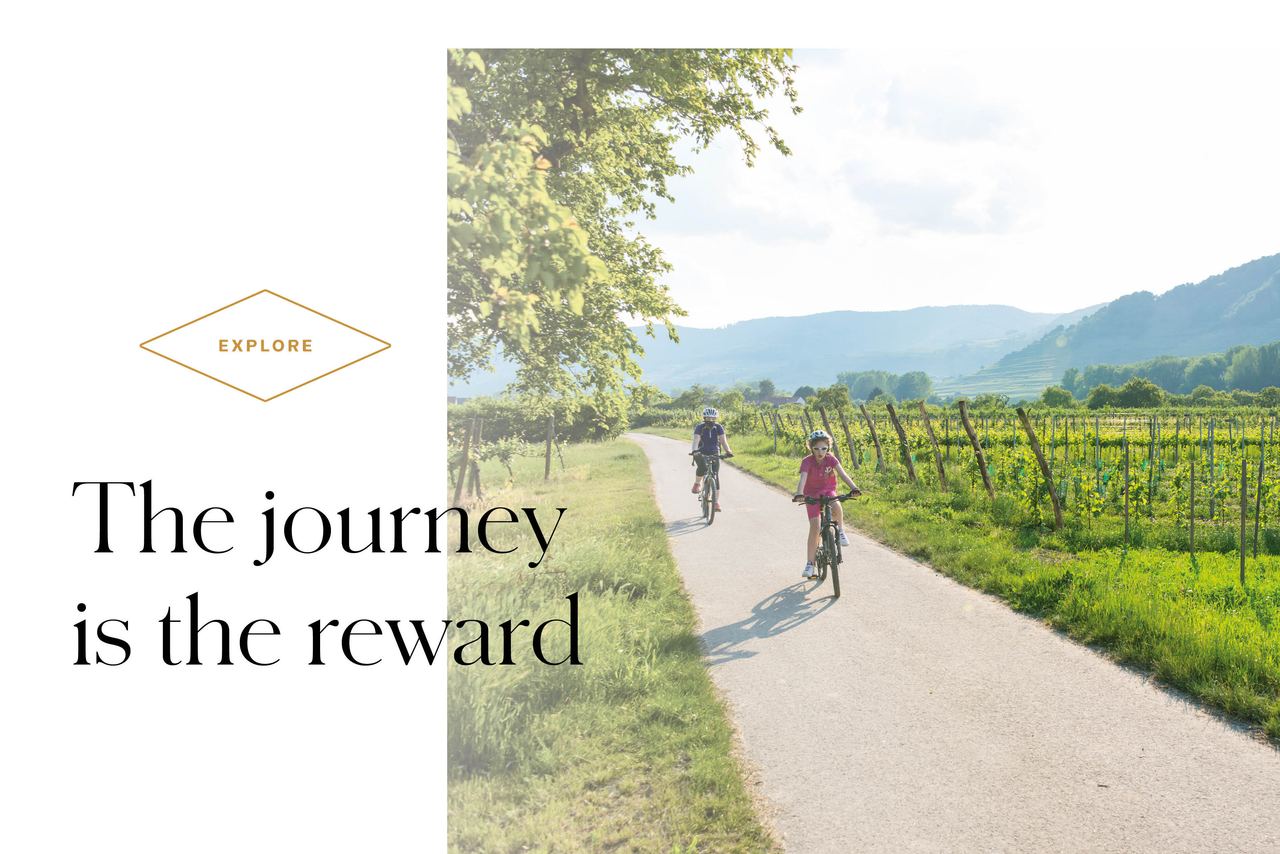
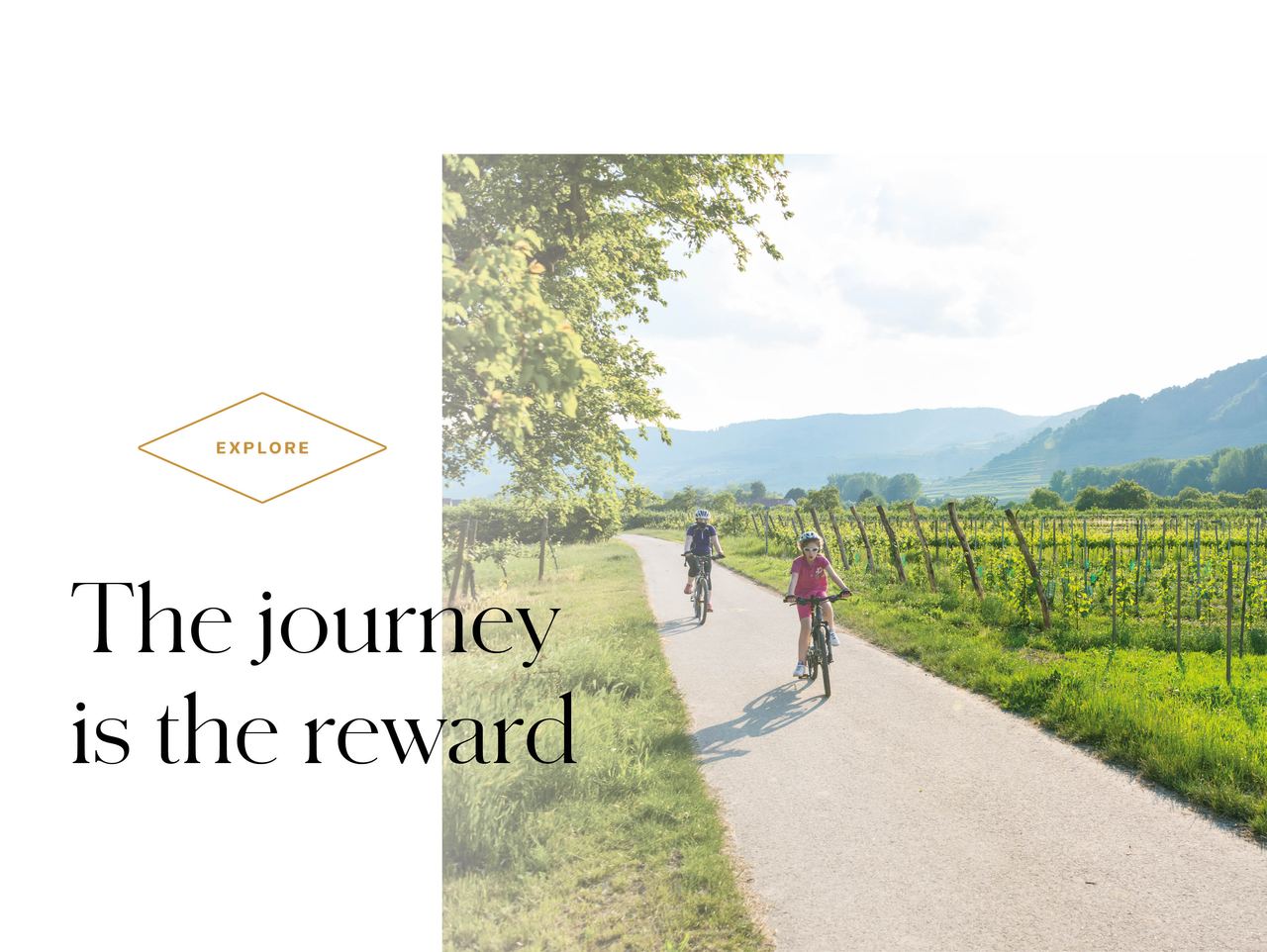
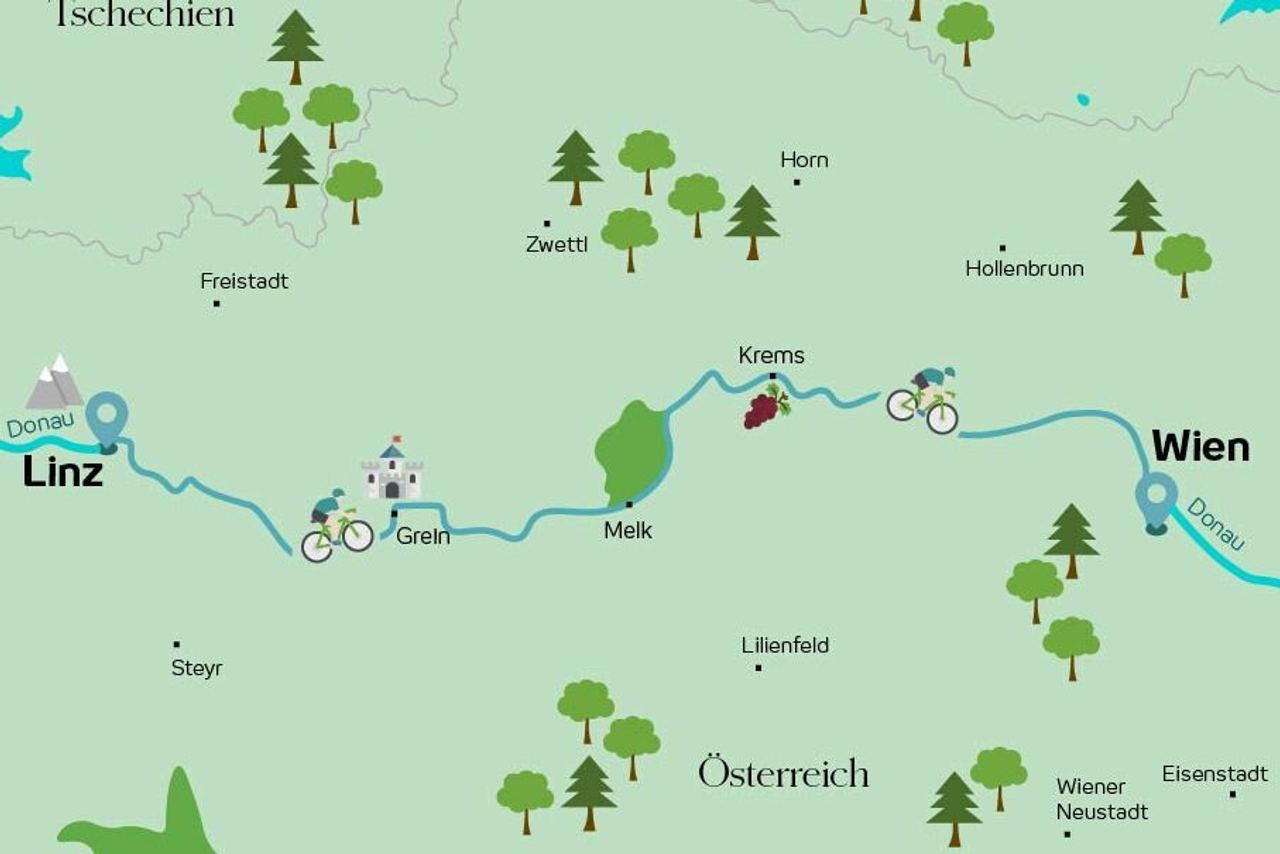
The Danube Cycle Route (long-distance cycle route D6 – EuroVelo 6) is one of Europe’s most popular cycle routes and passes through eight European countries, from the source of the Danube to the Black Sea. In Austria, the most scenic part of the route runs from Linz to Vienna. Travelling downstream, the roughly 220-kilometre route takes about 11 to 15 hours of pure cycling time – depending on your pace, equipment and fitness. The route is best covered in three or four days – with stops in Grein, Melk and Krems. At our hotels in Linz and Vienna-Prater, we offer secure parking spaces for your bike.
If you don’t have that much time: the journey by express train takes only about 75 minutes.
By the way: if you don’t want to follow the Danube, there’s an alternative via Mariazell.
Linz – Vienna: approx. 155 kilometres
as the crow
flies; journey time by train: approx. 75 minutes;
journey time by bike: approx. 12 hours or as a 4-day tour
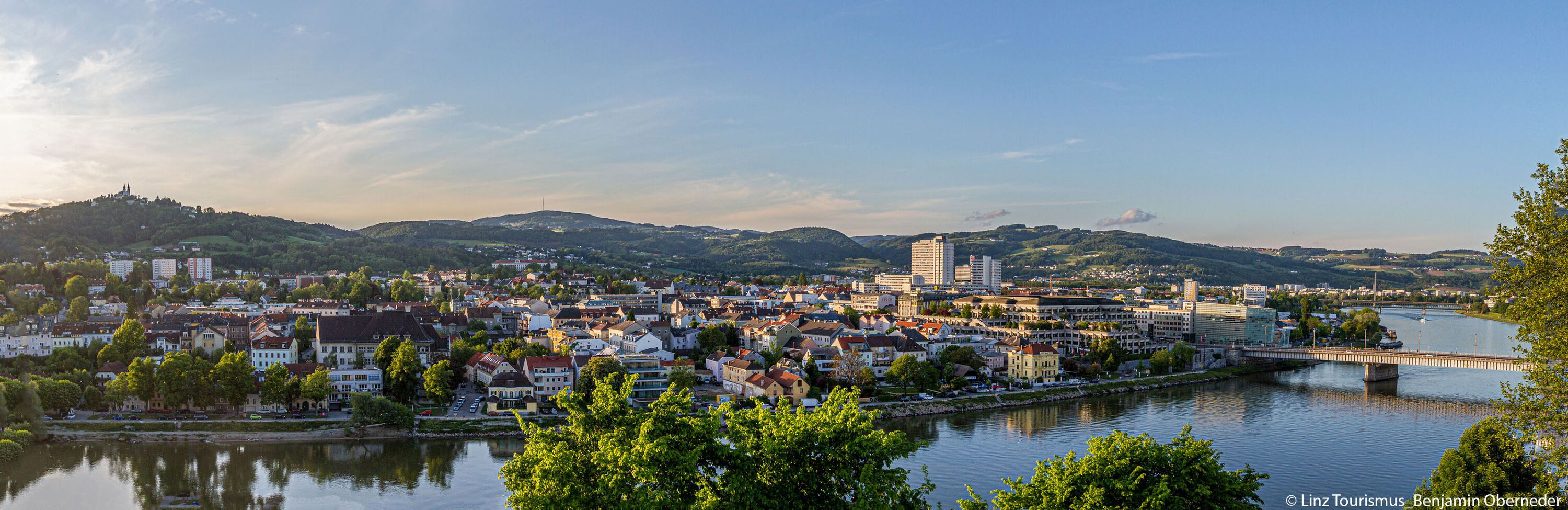
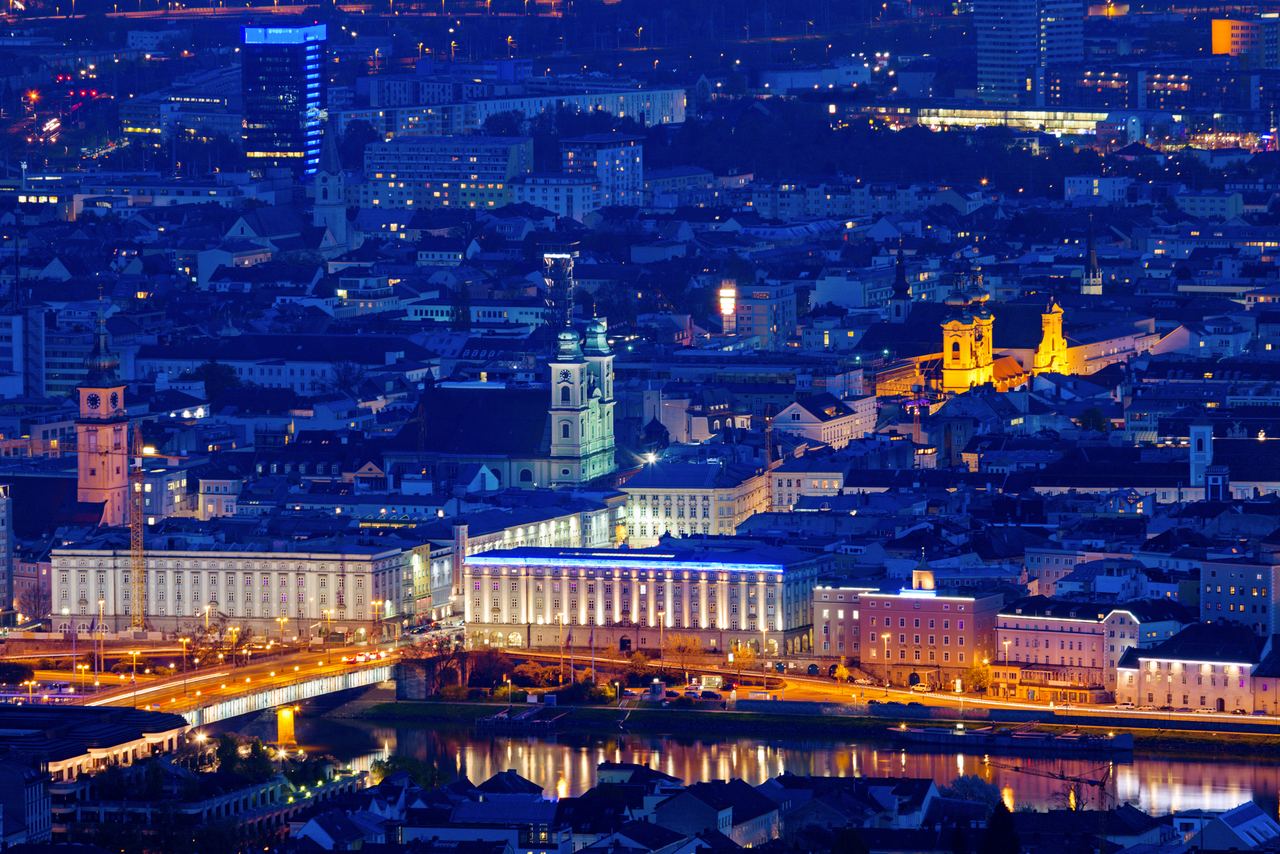
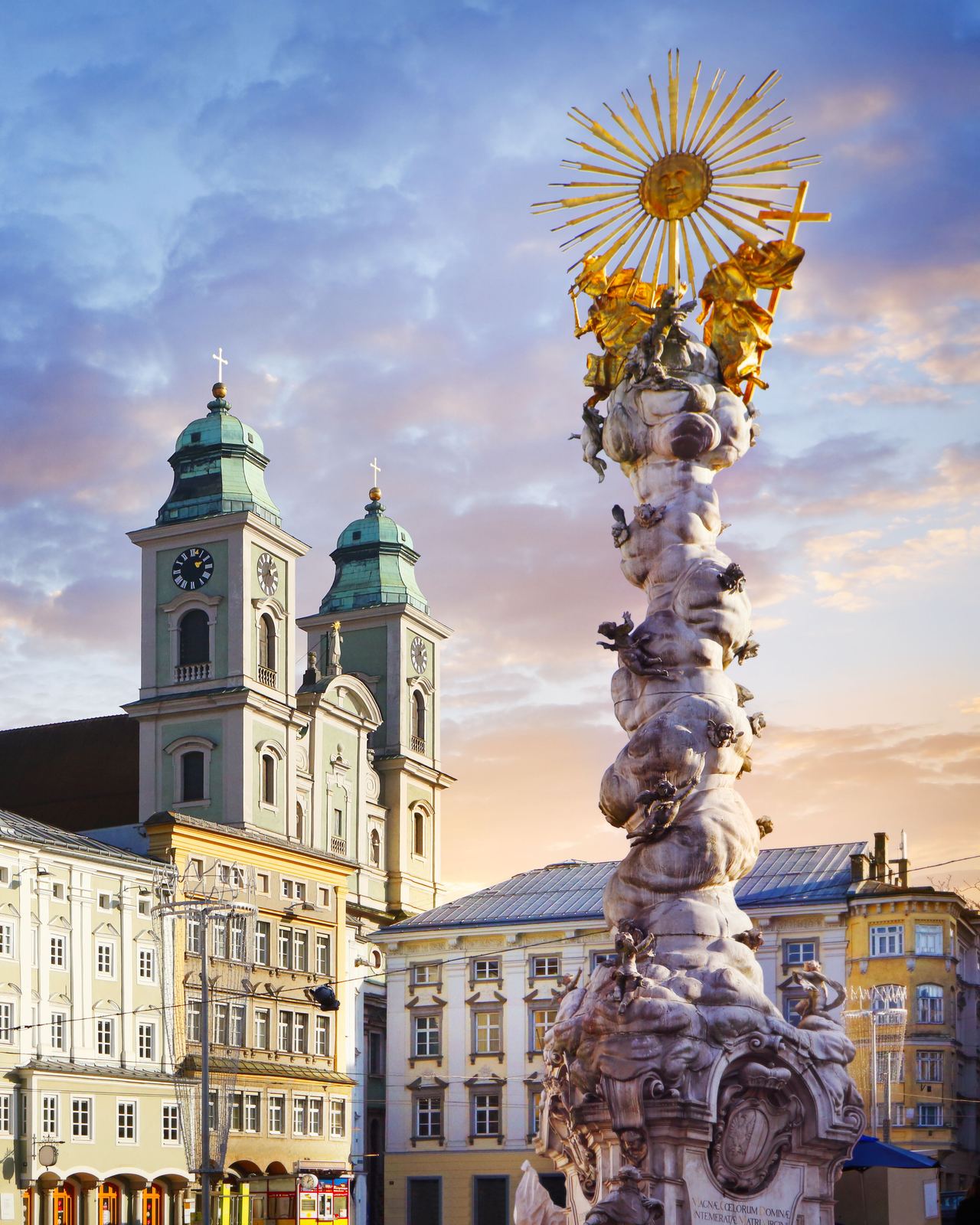
Linz is an official Fairtrade Town – the city has held this title since 2014 and truly embodies the spirit of Fairtrade. Once a purely industrial city on the Danube, Linz is now one of Austria’s cultural hubs. “It all starts in Linz” was the city’s advertising slogan for many years, and it applies to this road trip more than ever.
What’s there to discover?
The capital of Upper Austria has many beautiful spots to offer – from the Donaulände and the to the many graffiti and mural sites such as the on the Danube. A popular spot in Linz is the Pöstlingsberg – you can reach the top of the nearly 540-metre-high mountain on foot or by taking the .
Less well-known but all the more trendy is the salon ship at the Urfahranermarkt – regular evening events take place here, and at the weekend, alongside vegetarian and vegan snacks, there are freshly prepared dishes on offer.
Green and (almost) free:
Cultural session: The small Upper Austrian Literature Museum is housed in the former home of the writer Adalbert Stifter. The voestalpine Museum of Contemporary History examines the Austrian company’s Nazi era. Admission is free.
Take in the view: From the viewing platforms at the Castle Museum, the TNF Tower on the JKU campus or the Franz-Josef-Warte on Linz’s Freinberg, you can admire the city from above for free.
A love of markets: Whether you simply want to browse or need fresh food for the first stage of your cycle ride, the markets and organic markets in Linz offer something for every taste: such as the Südbahnhofmarkt, the organic farmers’ market at SolarCity or the Stadtmarkt on Hauptplatz.
Outings in the countryside
Strolling along the Danube or taking a dip in it is always lovely. If you’d prefer to cool off away from the river, try Pleschinger See or the Weikerlseen lakes. Those who prefer to stay on dry land will be drawn to the Bauernbergpark, not far from the Old Town, with its small temple dedicated to Aphrodite, the goddess of love, or to the : covering just over four hectares, the garden is adorned with over 10,000 plant species and sculptures by Austrian artists. It’s well worth a visit!
Pure indulgence
As a sustainable city, Linz also has plenty to offer vegan foodies. The vegan restaurant was the first of its kind in Linz – and remains a highlight for vegan American food and burgers to this day. Those who prefer a vegetarian restaurant with an oriental touch will find what they’re looking for at . Those who want to not only feast sustainably but also shop can browse small Linz-based labels:
: This label for modern men’s and women’s fashion was founded in 2012. The garments are produced in northern Portugal in a family-run workshop using recycled materials.
: Here you can find the finest knitwear made from eco-certified yarns, produced directly in Austria – the owners have been making their own products since the company was founded in 2004.
: Xiling has been offering fair and sustainable fashion for men and women since 1983 – the range spans from everyday wear to business attire, from accessories to sportswear.
Tip: With the ‘Gutes Finden’ guide app for smartphones, you can find sustainable businesses such as organic direct sellers, fashion shops and much more throughout the province of Upper Austria.
Things to do in summer
Summer in Linz has plenty to offer: one highlight is the – where stars of classical music, modern music and jazz perform. At the end of August, the festival takes place – a winegrowers’ and wine festival in the old town. And the invites you to enjoy Austrian pop and schlager music – admission is free at both events.
Those drawn to the Danube will always find a nice spot on the Danube banks – and also the , Linz’s first beach bar. In late summer, you can enjoy modern art and culture at the Klangwolke Festival and the .
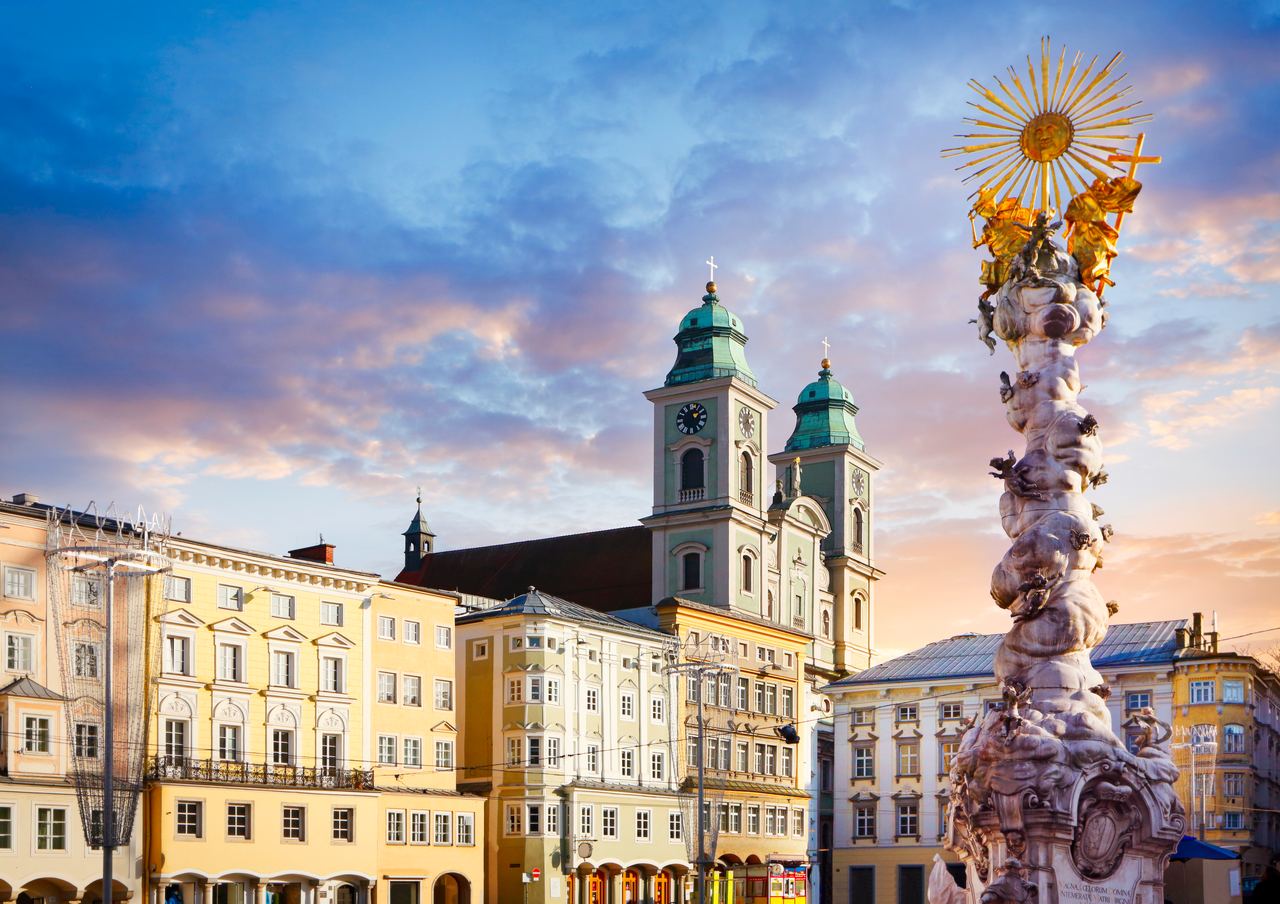
There is plenty to discover along the Danube, whether you’re a nature lover, a foodie or a fan of castles and palaces.
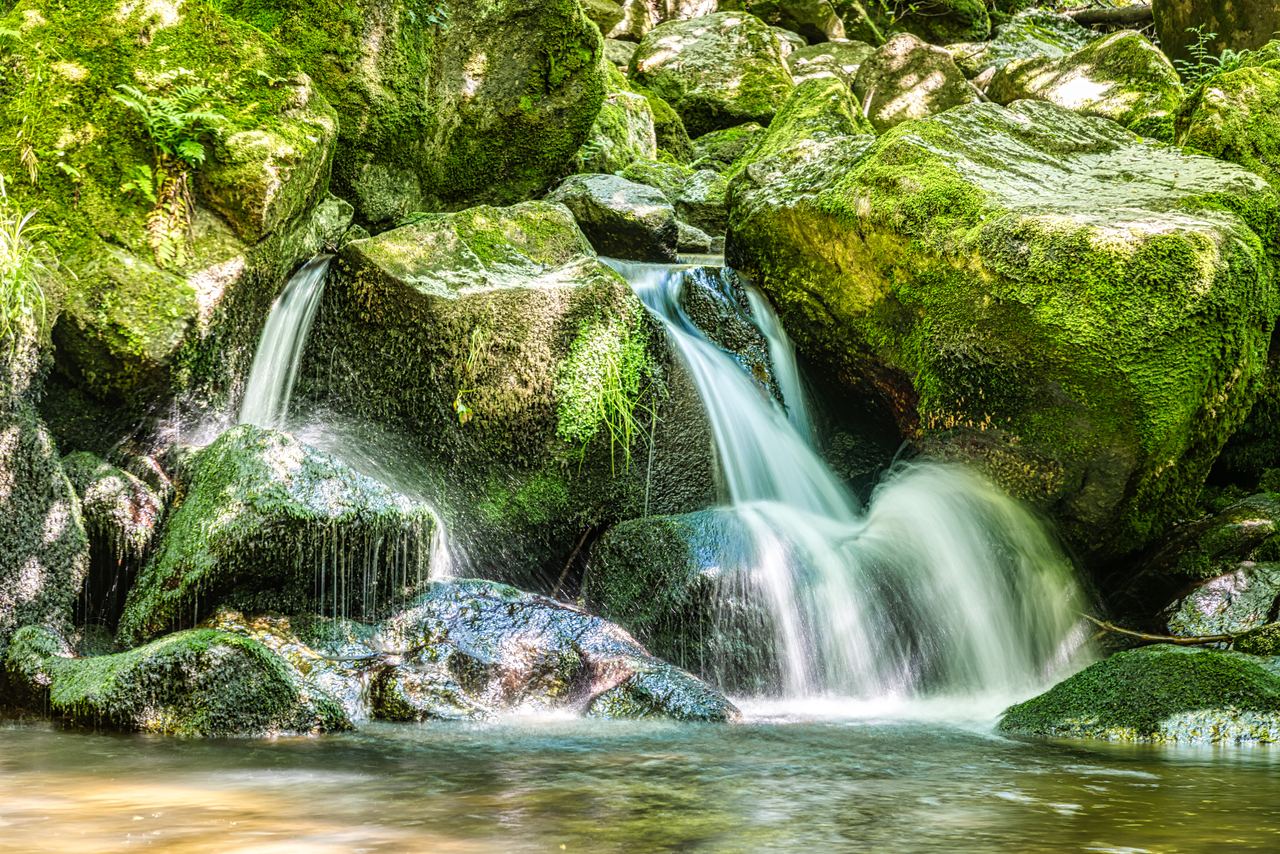
Stop 1 after around 60 kilometres: Grein
After setting off from Linz, it takes around three to four hours to reach the small village of Grein along the Danube Cycle Path. There you’ll find – from here you can enjoy a fantastic view over the Danube Valley from the Gobelwarte. If you’re looking for a shady spot in summer, a short hike to the nearby Stillensteinklamm gorge offers a chance to cool off.
Like almost all places along the Danube, Grein offers a wide selection of wine taverns and wine bars, as well as a vegan-friendly alternative in the form of the . Those wishing to stock up on provisions for the journey can buy sustainably produced goods at the local organic shop ’.
Stop 2, 45 kilometres from Grein: Melk
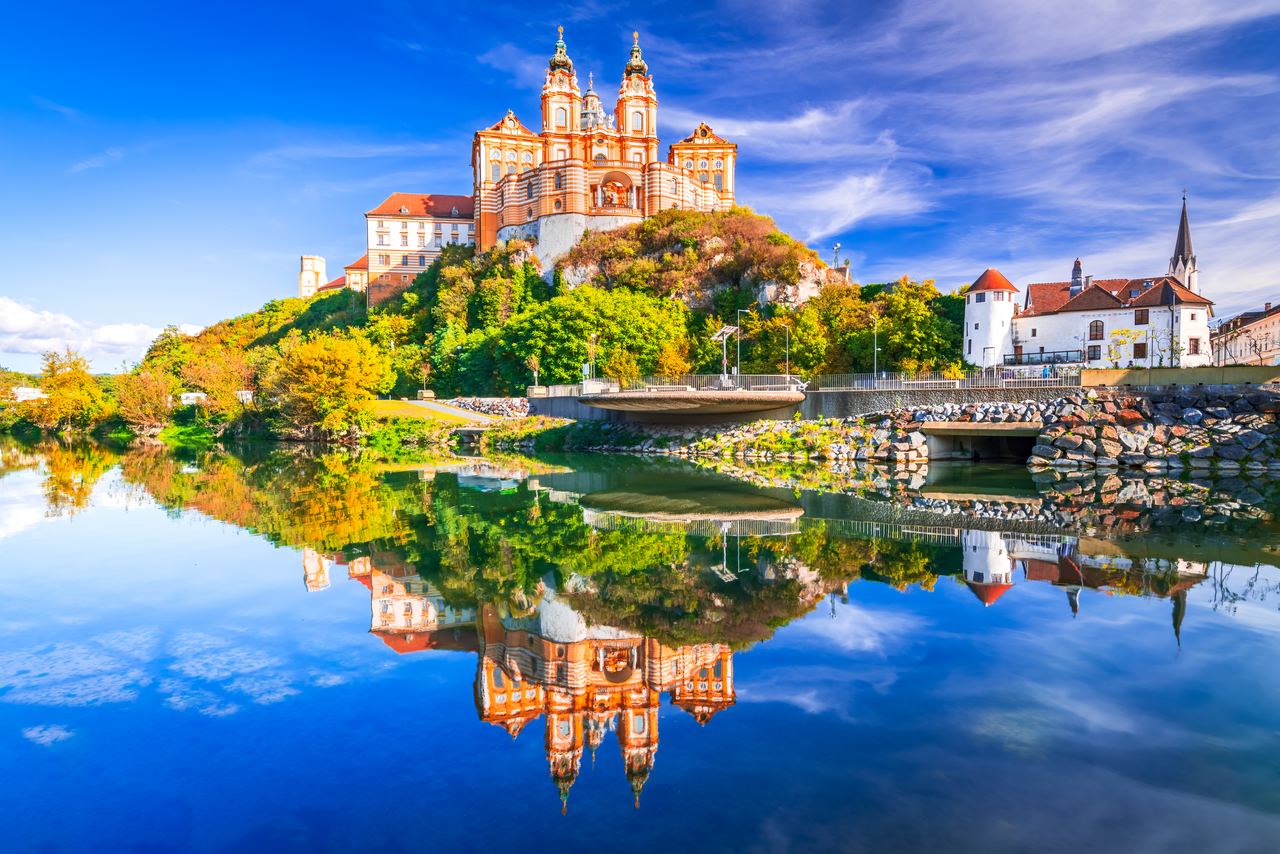
Further downstream lies Melk, also known as the ‘Gateway to the Wachau’. As well as historic buildings and natural landmarks, the Wachau is famous for its apricots – known as ‘Marillen’ in Austria. Speaking of historic buildings: Melk is home to the famous Baroque – the Benedictine monastery is a UNESCO World Heritage Site. Castle is about half an hour’s cycle ride from Melk. Anyone wishing to stock up on provisions for the rest of the journey can visit : situated right on Rathausplatz, this small shop offers an organic range including fresh pastries, alongside a small organic bistro.
Stop 3, 37 kilometres from Melk: Krems
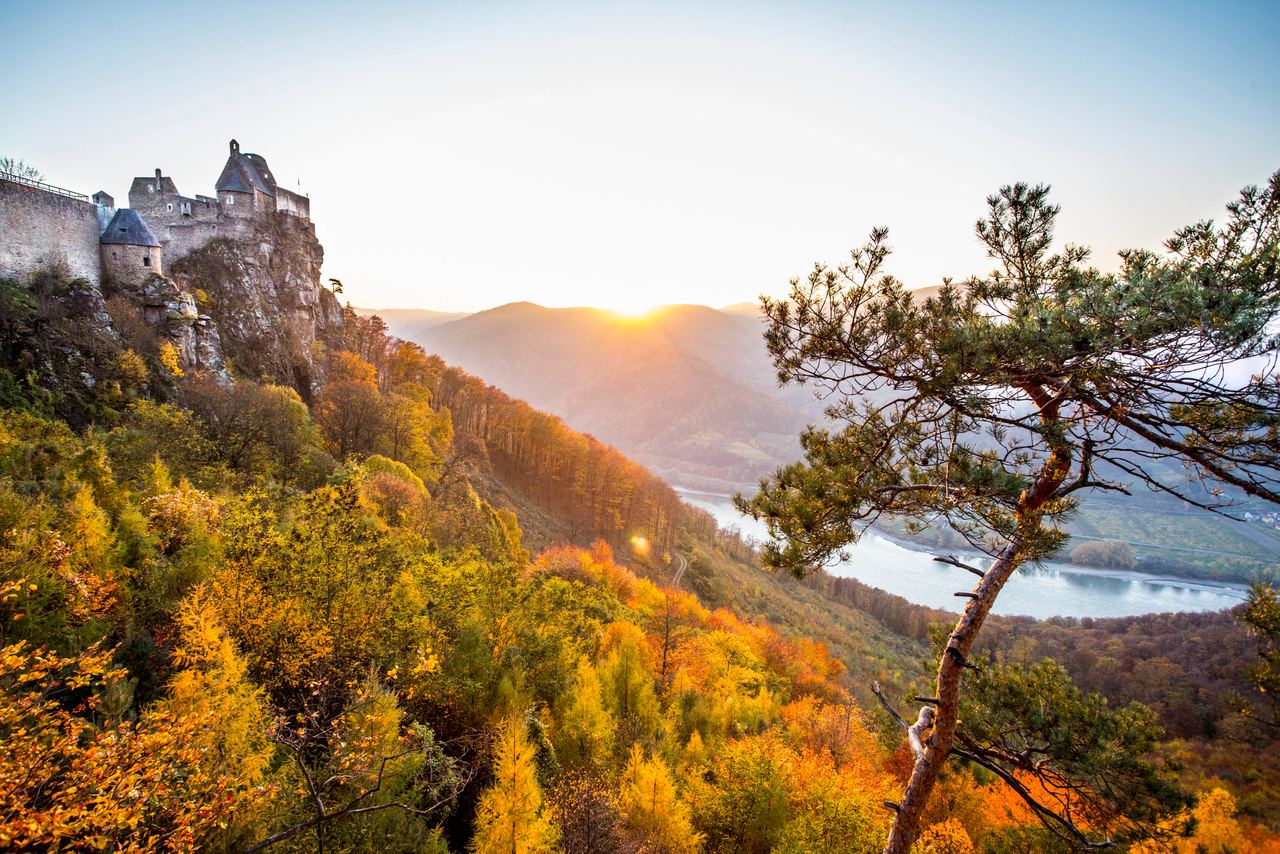
In Krems – like the rest of the region – apricots are celebrated in style: the annual apricot festival takes place in Krems town centre, featuring all manner of apricot-based delicacies such as apricot schnapps and apricot dumplings. Vegan alternatives are often available too. Krems is also Austria’s white wine capital. So, if you’d like to spend more time in the region, you should take a short wine walk.
The small town has plenty to offer art and culture enthusiasts: the brings together many museums, such as the Lower Austria State Gallery, the Kunsthalle and the Filmgalerie. In the Wachau region along the Danube, there are also two special castles: the Dürnstein castle ruins and Kreuzenstein Castle. Kreuzenstein Castle has often served as a film set, for example in Ken Follett’s “The Pillars of the Earth” and in the fantasy series “The Witcher”.
For a quick bite to eat or for the final leg of the journey to Vienna, two shops are particularly recommended: EVI-Naturkost, an organic supermarket, and , a small shop and café offering a range of regional and low-packaging products.
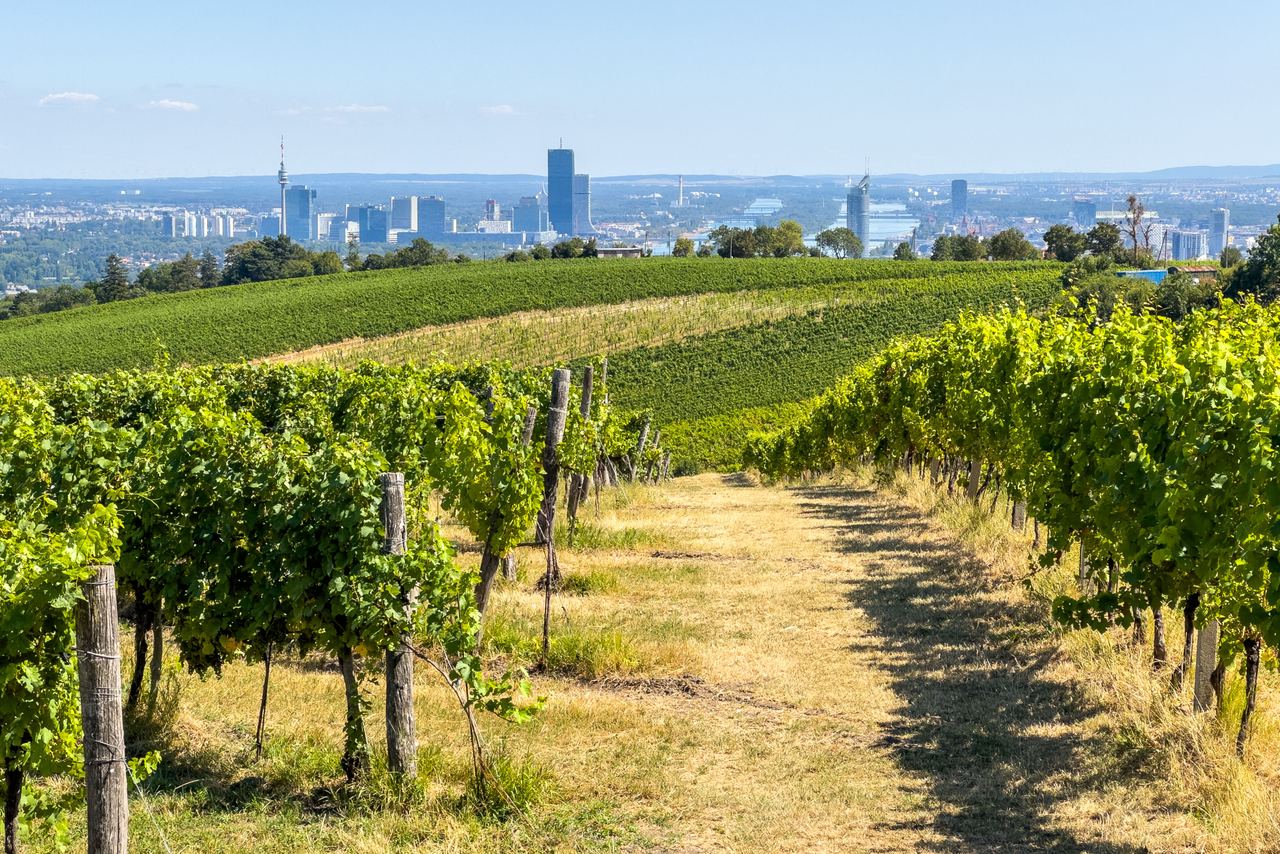
The Austrian capital is one of the most liveable cities in the world and really comes into its own in the summer. At this time of year, it becomes a melting pot for all kinds of activities: whether it’s wine-tasting walks through the vineyards of Nussdorf, swimming in the Danube or art and culture – the city has something to offer for everyone.
What is there to see?
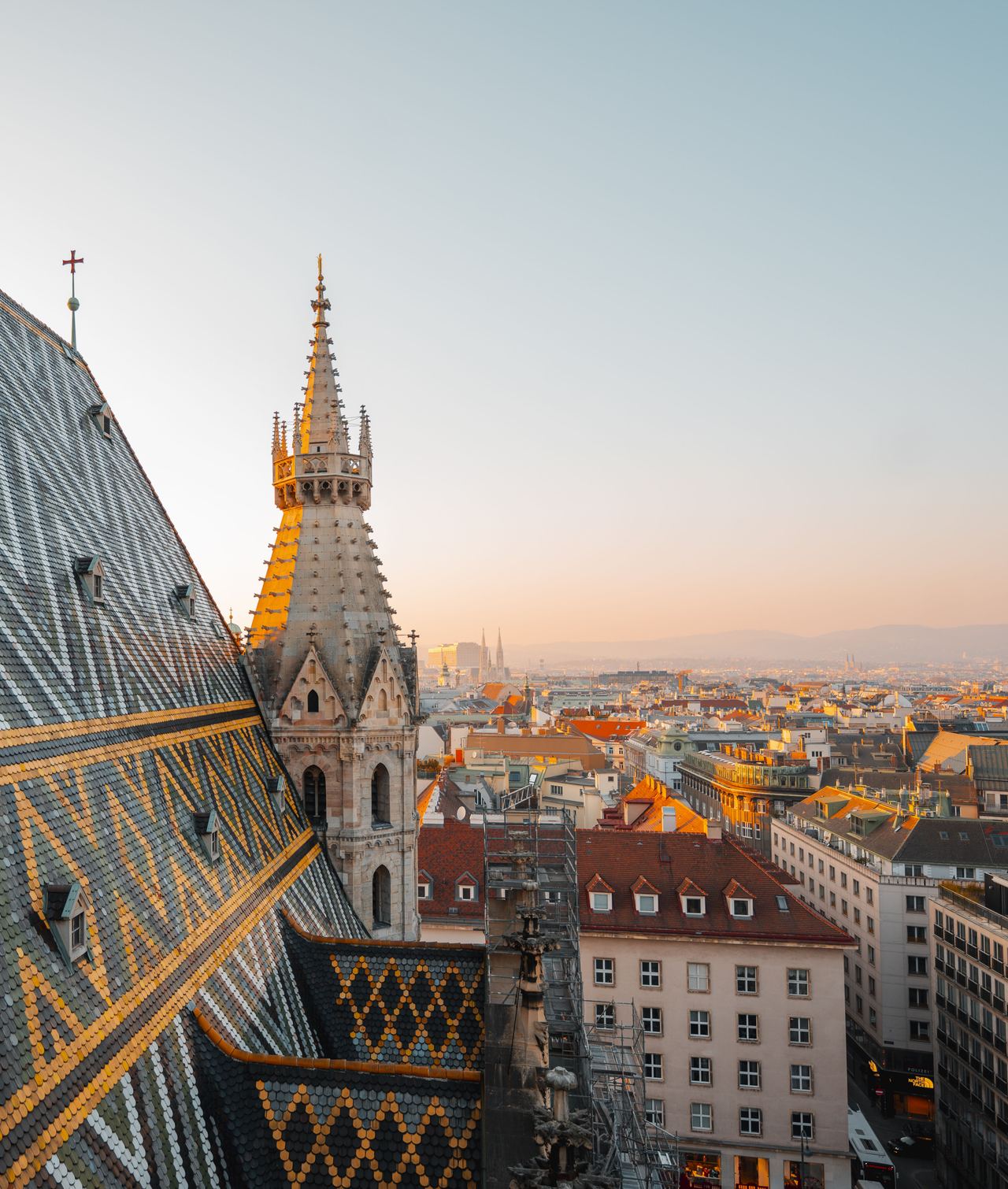
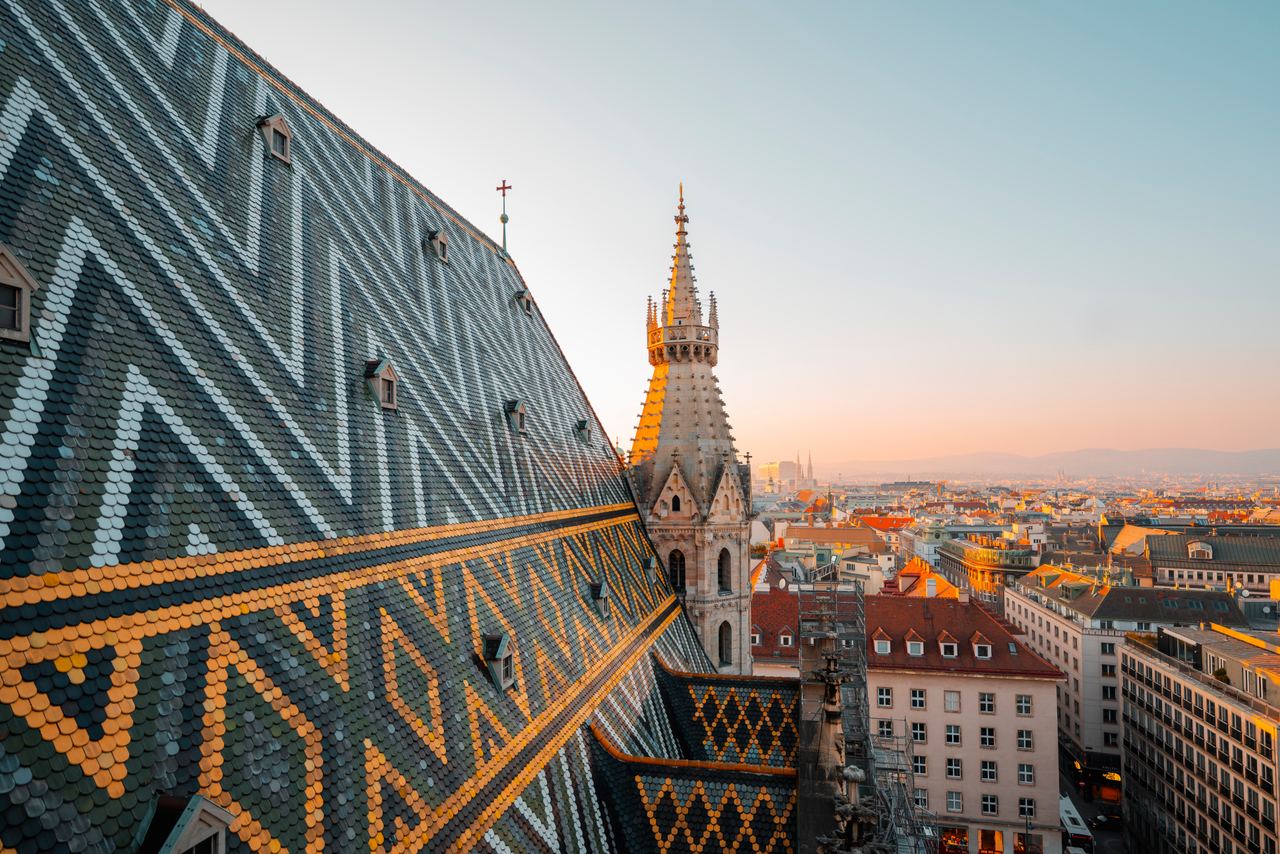
As the former capital of the Habsburg Empire, Vienna’s cityscape is adorned with palaces and mansions. But the city does not merely live on the glamour of days gone by – the arts and culture scene is thriving in Vienna, whether in the city centre or in the trendy districts. Famous sights such as St. Charles’s Church and St. Stephen’s Cathedral are best .
Eco-friendly and (almost) free
Free city tours: In Vienna, there are providers offering city tours on a tip-based system. You decide for yourself how much the tour was worth.
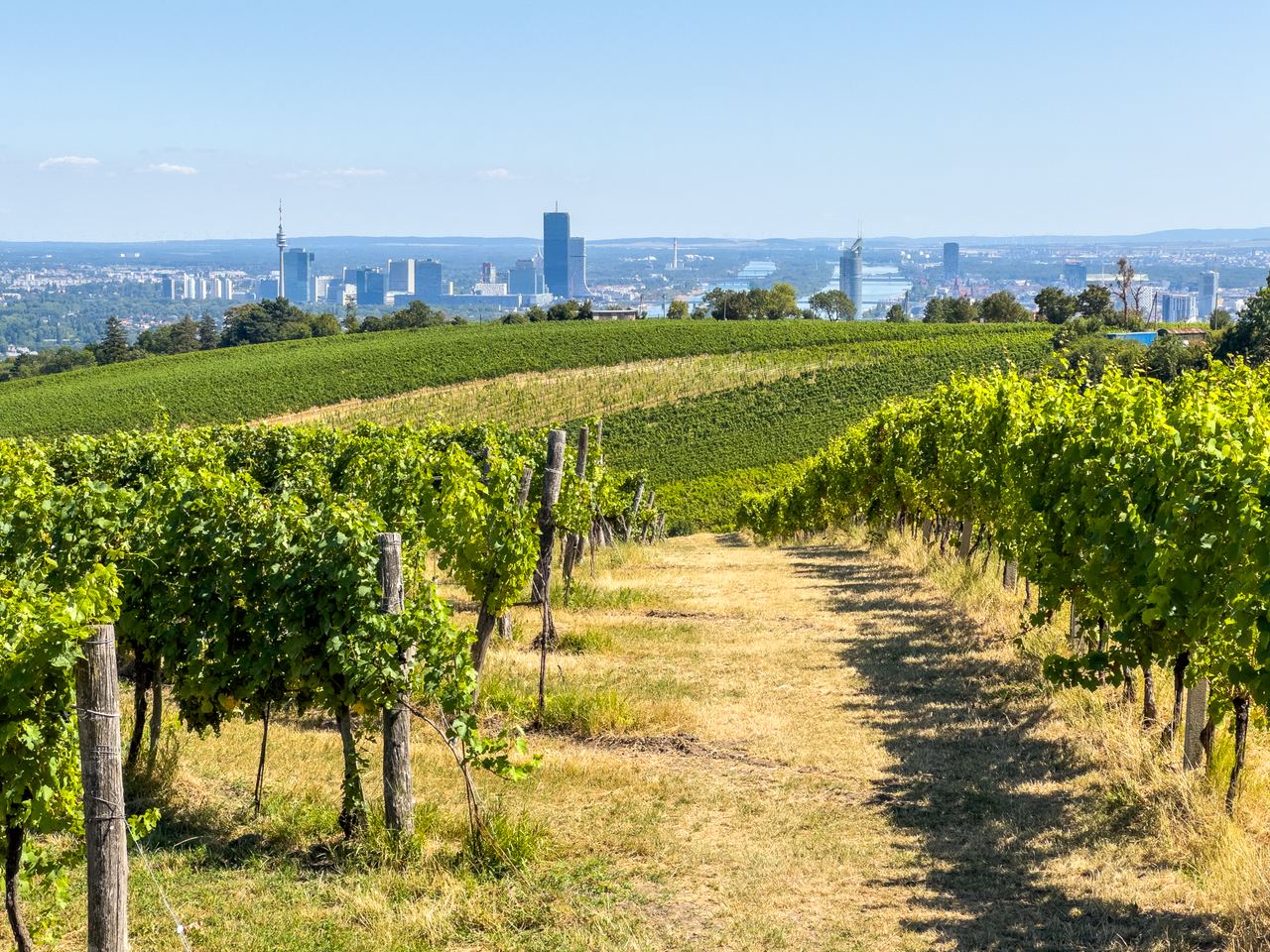
Wine walks on the Kahlenberg: What could be better than escaping the city heat and enjoying a dry Grüner Veltliner or a sweet grape juice in a wine tavern? On the Kahlenberg, you also get a wonderful view over the city.
Fancy some culture? The MuseumsQuartier brings together many museums of modern and contemporary art – whether architecture or painting. Every Thursday, admission to the Kunsthalle is free from 5 pm to 9 pm. A little tip: the ‘Libelle’ viewing platform is also free.
Pure indulgence
The choice of vegan and sustainable restaurants in Vienna is vast. If you’re looking for haute cuisine in the vegan world, you can’t go wrong with the Vienna-based restaurant in the city centre – or with the trendy Tian Bistro in the trendy Neubau district. At the , the cuisine is exclusively vegan, using regional ingredients. And if you’d like to buy a treat or two yourself, is the perfect place to go.
Out into nature
The is a green oasis in the west of the city and part of the Vienna Woods. The large park is home not only to a few cafés and shelters but also to the Hermes Villa. Emperor Franz Joseph I gave this to his Sisi. If you’re drawn to the water, the Danube Island is always the place to be. The island, which was artificially created in the 1970s and 1980s, is a recreational paradise for the people of Vienna and can be reached from the city centre in just a few minutes by underground: here you can swim, play sports, have a barbecue or simply relax.
Things to do in summer
Summer in Vienna is packed with events, festivals and activities – whether cultural, sporting or musical. At you can enjoy cabaret, music and plays by German-speaking and international artists at Belvedere Palace. There’s a livelier party atmosphere at free . Strolling through the city at night whilst enjoying plenty of live acts in the clubs and bars of the Stadtbahnbögen (free of charge!) – this is possible at the annual “Gürtel Night Walk”, which usually takes place on the last Saturday in August.
Things get really cosy at on Rathausplatz: here you can not only watch blockbusters, but also enjoy music productions, operas and concert recordings free of charge on the big screen.
How about then?