
3 cities, 3 regions, three different sides of Germany
From Würzburg, take the RE to Osterburken and then the S-Bahn to Mannheim.
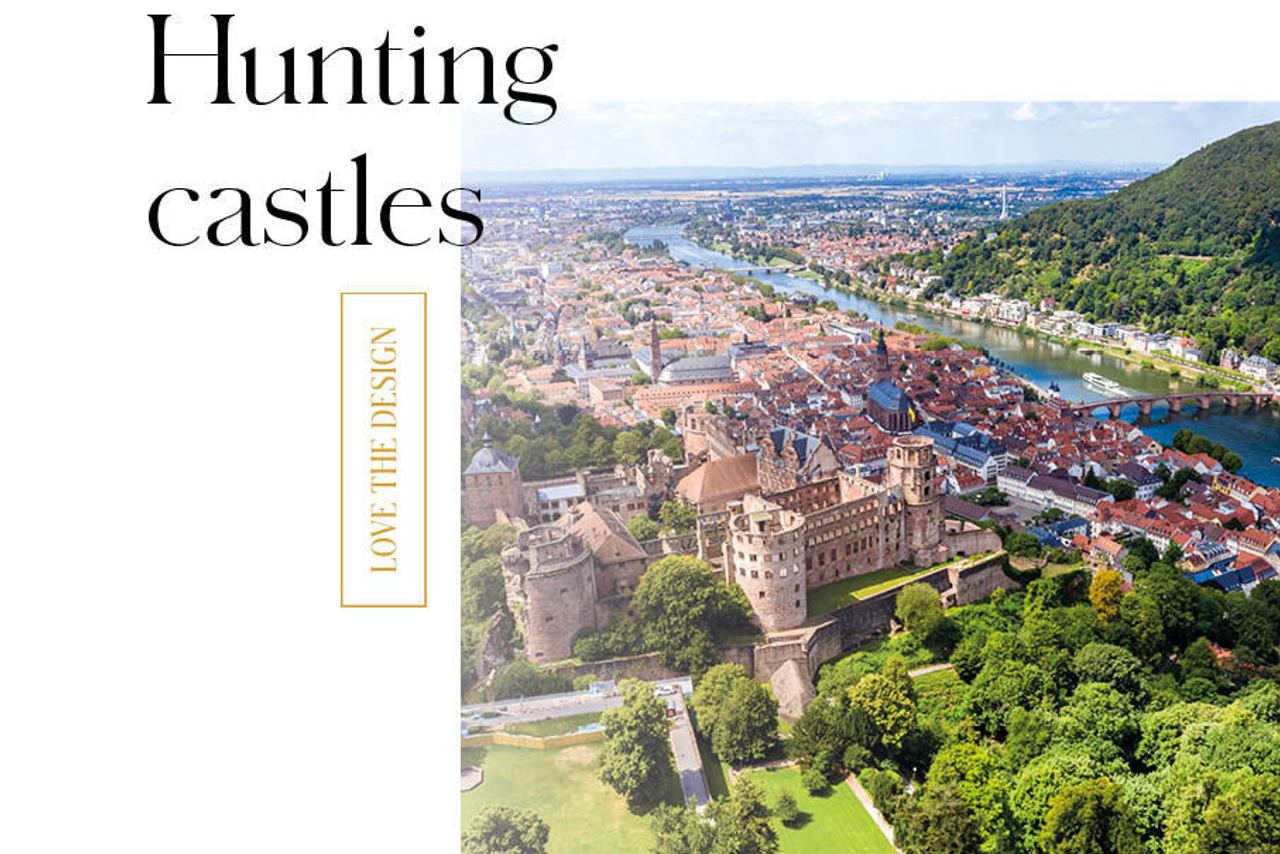
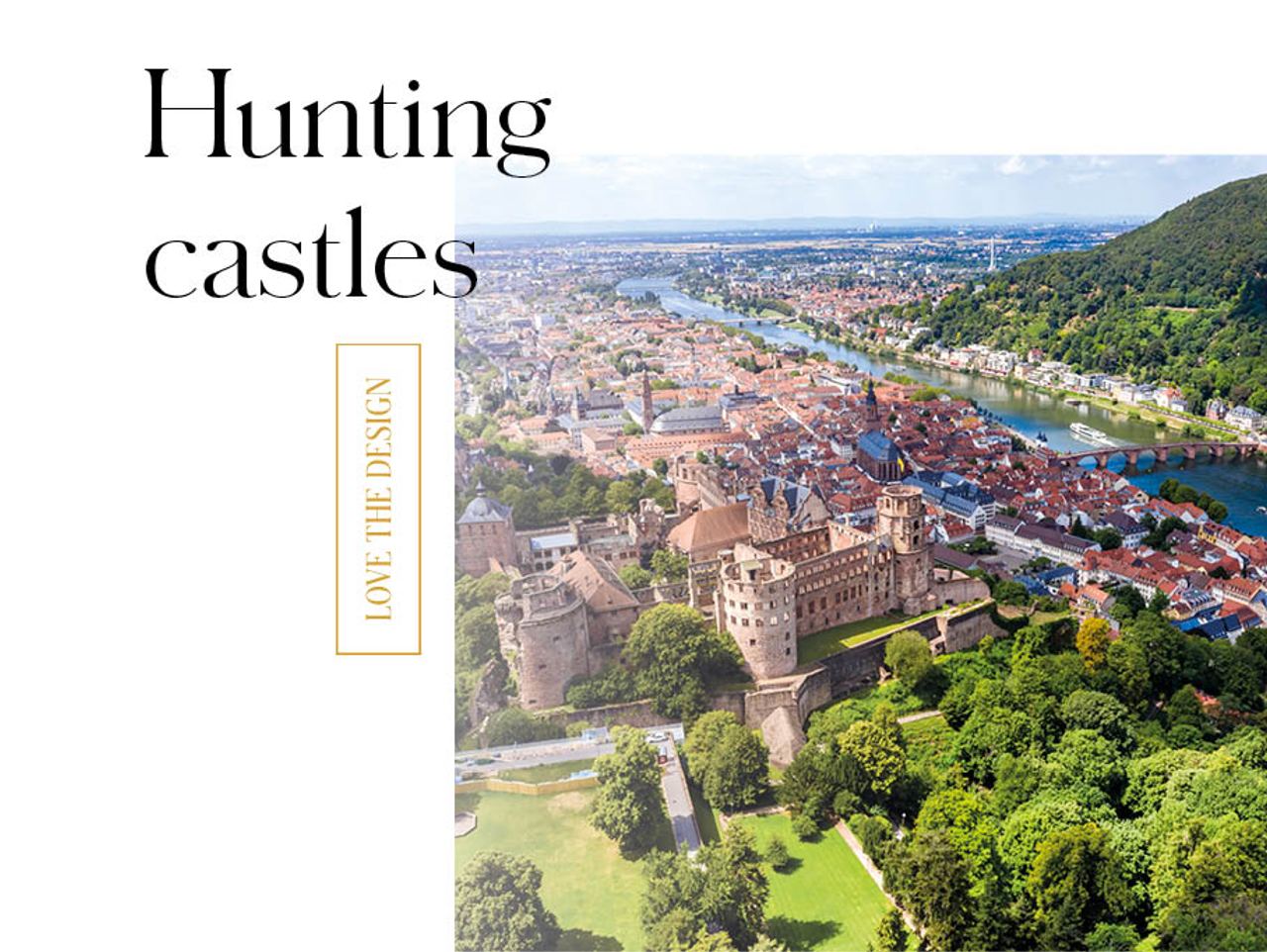
If you have more time, you can stop off in Heidelberg along the way. This romantic city, nestled amongst vineyards and the imposing ruins of a castle, is well worth a visit.
The quickest way from Mannheim to Stuttgart is the ICE – you’ll be there in just 40 minutes. A cheaper and more leisurely option is the Deutschlandticket – the journey then takes around two hours.
Würzburg – Mannheim: approx. 110
km as the crow
flies; journey time by train: approx. 3 hours
Mannheim – Stuttgart: approx. 95
km as the crow
flies; journey time by train: approx. 1 hour

Würzburg is steeped in history, culture – and, above all, wine. The city and its surrounding area are particularly lovely during the summer months. The best part? A trip to this Franconian city doesn’t have to be expensive. And: our Motel One Würzburg is waiting for you there!
What’s there to see? The best
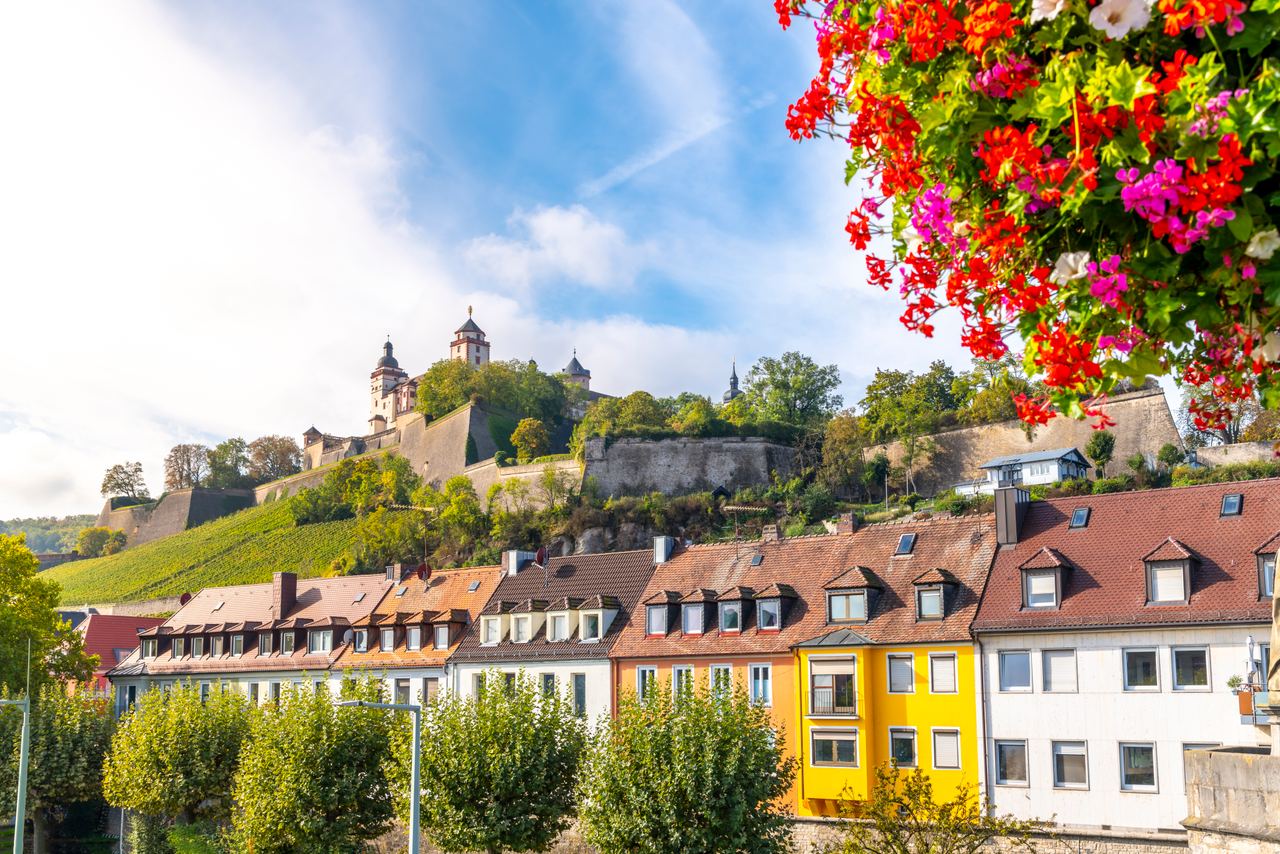
way to explore Würzburg is on foot or by bike: starting with the Würzburg Residence, a UNESCO World Heritage Site, across the market square to the Old Town Hall. The route continues over the Old Main Bridge and then uphill to Marienberg Fortress – from there you can enjoy panoramic views of the city. You can then enjoy a refreshing glass of organic wine by the Main later on.
Green and (almost) free
Enjoying culture: Whilst there is an admission charge for the , its court church and gardens, as well as the Martin von Wagner Museum located there, are free of charge. Plant and tropical enthusiasts will also be delighted: the is free too.
Modern art: Calling all lovers of modern art: on the first Sunday of the month, entry to the is free. Spanning 2,000 square metres, the museum focuses in particular on art from after 1945.
Wild and wonderful: If you fancy getting out of the city, you should visit the . There are 43 different animal species to marvel at there. You can reach the free wildlife park from Würzburg by regional train in about half an hour.
Pure indulgence
Environmentally conscious foodies will be in their element in Würzburg:
the Vietnamese restaurant serves exclusively vegan delicacies. Delicious vegan, vegetarian and, above all, low-allergen dishes are available at the.
Those who prefer to cook for themselves are best advised to buy locally sourced fruit and vegetables – at one of Würzburg’s many markets. For example, every first Saturday of the month there is the farmers’ market on the Bürgerbräu site, or the Green Market and Speciality Market on the lower market square.
Out into nature
If you’d like to explore Würzburg’s vineyards on foot, the best route is along the ‘’. This four-kilometre is designed so that walkers can visit various wine villages and estates along the way. Guided tours lasting around two hours can also be booked.
Those who love the water can not only enjoy the Main, but also head to one of the many swimming lakes in the surrounding Franconian countryside. The swimming lake in Erlabrunn is lovely and can be reached by bike in 40 minutes via the Main Cycle Route. Green oases can be found in the city, e.g. the Main and the Ringpark, or in the vineyards: ideal for a romantic picnic.
Things to do in summer
In summer, celebrations take place outdoors – in Würzburg too. Numerous festivals also feature in the annual events calendar, such as . However, locals prefer to spend the balmy summer nights at a wine festival – you can find an overview in The wine festival highlight of the year is , a festival featuring numerous music acts right in the middle of the vineyards.
If you fancy relaxing on a deckchair, burying your toes in the sand and sipping a cocktail, you don’t need to head to the seaside – just pop down to the . Here you’ll have a magnificent view of Marienberg Fortress. Would you rather jump straight into the water? offers the perfect way to cool off.
In summer, spring and autumn, you can round off the evening in style on the old Main Bridge with a glass or two of wine. The bar at the old Mainmühle also serves organic wines, such as the Würzburg Silvaner from the Weingut am Stein.
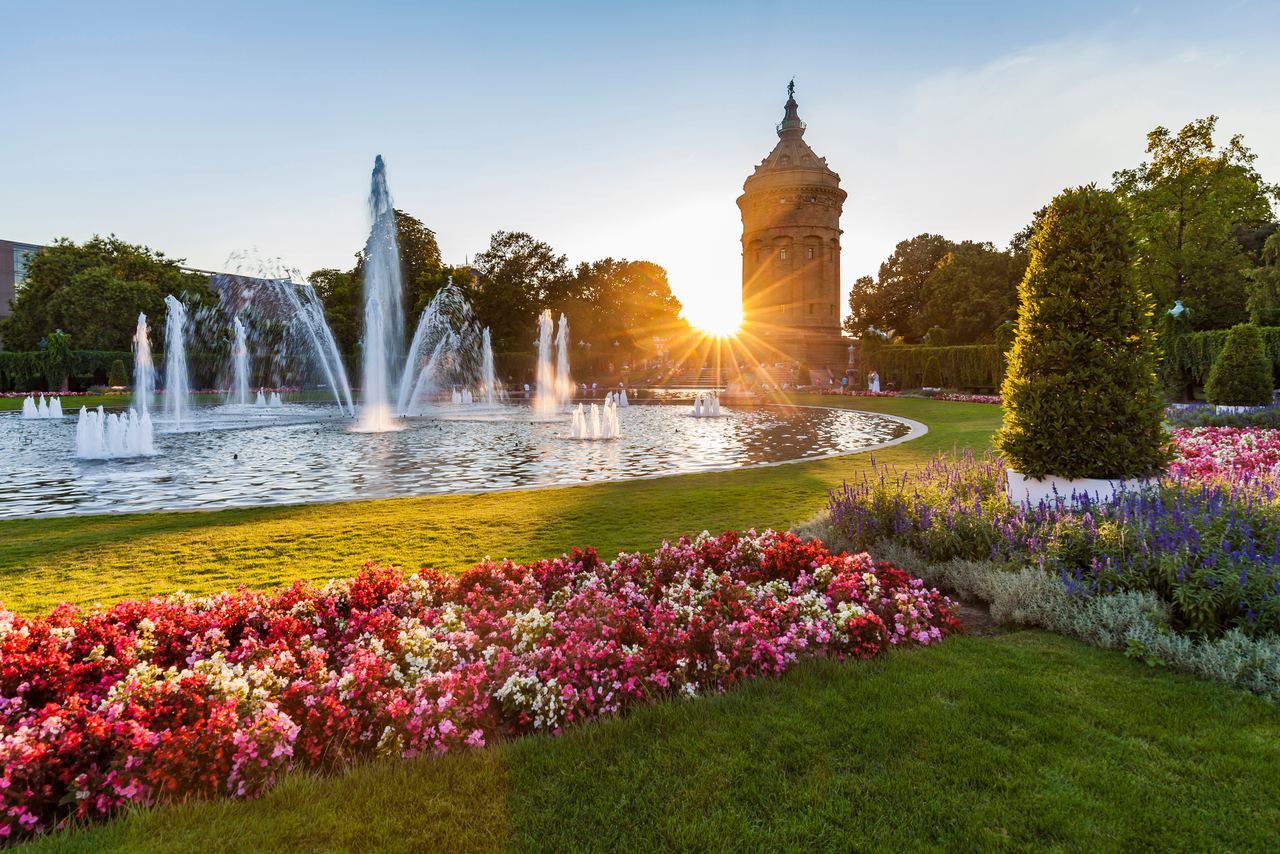
Mannheim’s main sightseeing attraction is, and always will be, the Baroque palace, one of the largest in Europe. But the city has more to offer: around half of the city’s area consists of extensive green spaces, meaning that urban charm blends seamlessly with nature.
What’s there to see?
Unmistakable – that’s certainly Mannheim’s cityscape. This is because the city centre is laid out in a unique grid pattern. You won’t find any street names here; instead, you’ll be in either G7 or F1. At the edge of the grid stands the city’s landmark, the water tower. It forms part of Germany’s largest contiguous Art Nouveau complex and amazes visitors with its water features.
Green and (almost) free
Murals: STADT.WAND.KUNST is an art project focusing on the design of building façades. Throughout Mannheim, you’ll find murals by various artists in urban spaces. If you want to go exploring yourself, it’s best to use the .
City tours: There are all sorts of ways to get to know Mannheim: from to tours of the . The are perfect for those on a tighter budget.
Kunsthalle Mannheim: If you want to escape the summer heat, pay a visit to the . The museum houses modern and contemporary art and is free every first Wednesday of the month from 6 pm. The entrance hall in the Hector Building, the Lichtatrium, is open to the public every day.
Pure indulgence
Mannheim is renowned for its culinary diversity, with many different cultures coming together here. 47.8 per cent of Mannheim’s residents have a migrant background – and this is reflected in the city’s cuisine. In Mannheim’s so-called ‘Little Istanbul’, amongst market stalls, jewellery shops and bridal boutiques, you can find delicious biscuits in Turkish bakeries. Right nearby, on the market square, the traditional weekly market takes place every Tuesday, Thursday and Saturday – and has done so for 400 years. Here and there, you can hear the ‘Mannemerisch’ dialect.
But Mannheim also offers vegan cuisine. The restaurants and specialise primarily in vegan and/or vegetarian dishes. Looking for a delicious coffee? The coffee roastery offers organic espresso. Fancy some ice cream? serves delicious vegan ice cream. Here, the ice cream is still made in-house using natural ingredients.
Out into nature
Many cycle tours start from Mannheim, for example to Schwetzingen. You can reach Schwetzingen Palace, the former summer residence of the Mannheim Electors, by bike in about 1.5 hours. Speyer and Heidelberg are also worthwhile destinations for a bike ride.
Not quite as far away, but equally a green haven of peace, is the , Mannheim’s largest park. In the Upper Luisenpark stands the Chinese Tea House, where you can experience authentic Chinese tea-drinking culture. In 2023, this part of the Luisenpark will be part of the Federal Horticultural Show (BuGa) and will cost more to enter than usual. The Lower Luisenpark, on the other hand, is free to enter. In summer also runs a free here. If you don’t want to miss out on exercise whilst travelling, you can work up a sweat here with Zumba, BodyFit or yoga.
Summer activities
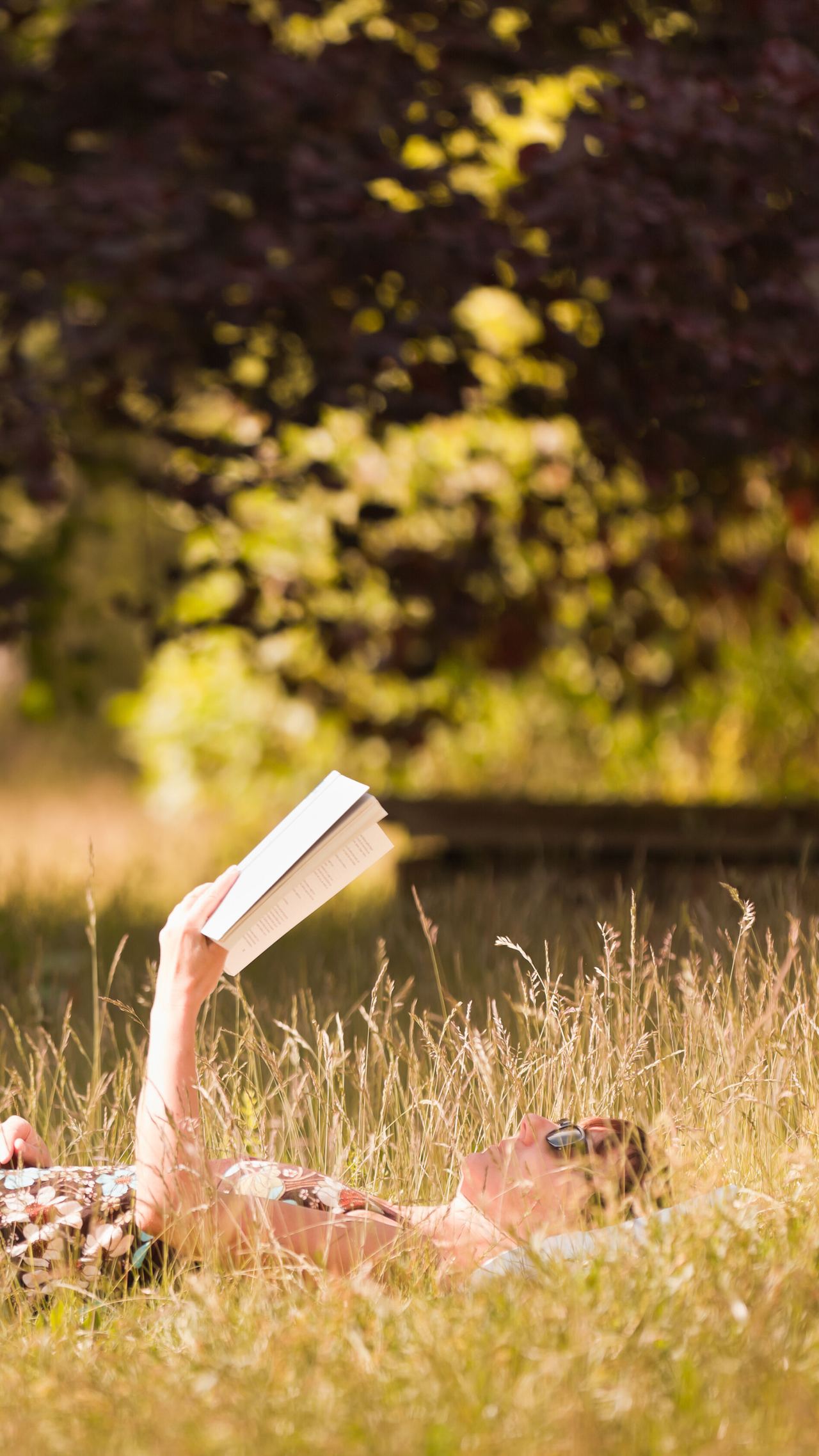
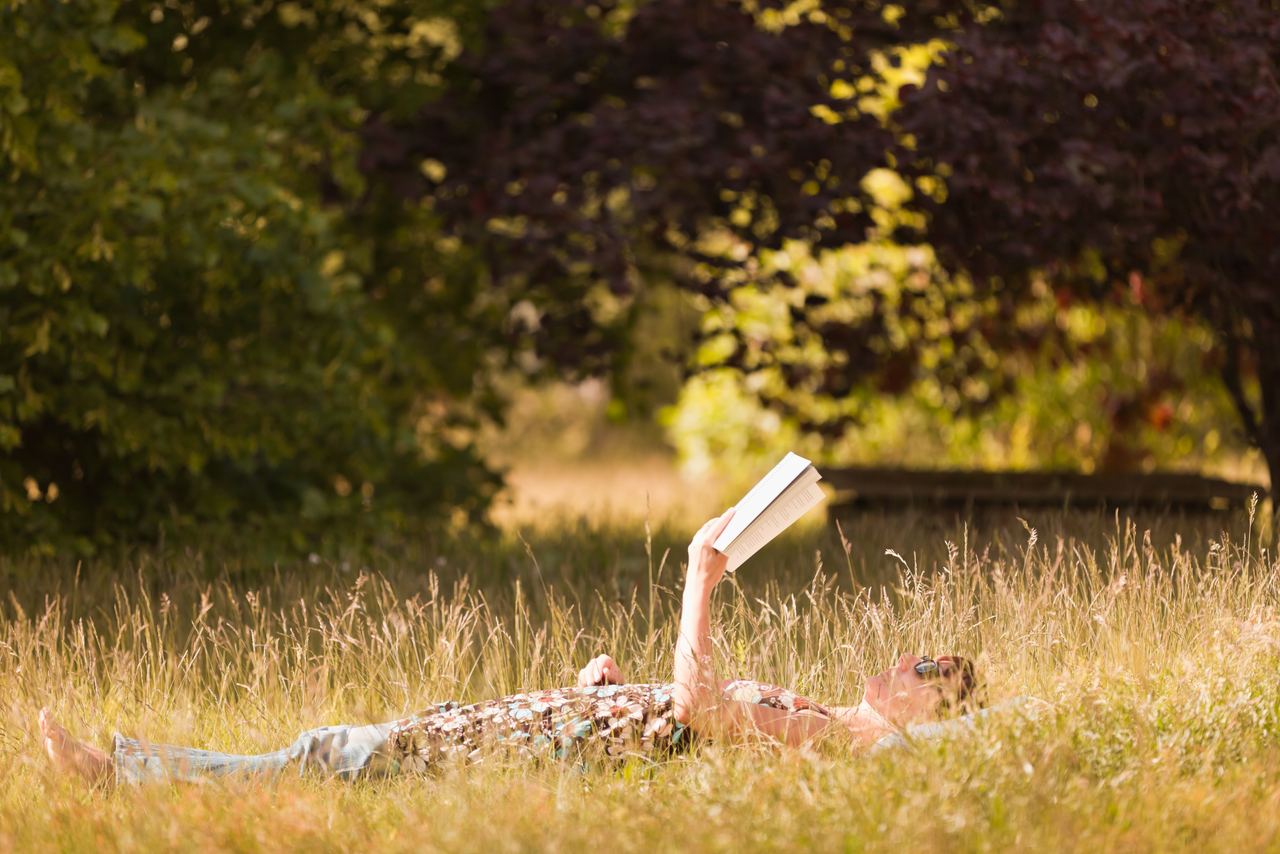
How about a short trip to the Reißinsel nature reserve? It takes just about 20 minutes from Mannheim Palace, and you can head straight to the lido upon arrival. There, on the banks of the Rhine, you’ll find plenty of space to sunbathe, relax or read. Speaking of reading: Mannheim has several public . Just pop by and save yourself the hassle of lugging your holiday reading around.
For an evening aperitif, the trendy Jungbusch district with its numerous pubs is the place to go. But how about a bit of a change? You can find beach vibes at or for example. But our insider tip is: This is a project that offers everyone access to free sports and cultural activities. As well as a skate park, table tennis tables and a basketball court, free concerts are held here regularly.
Is Stuttgart dreary and grey? That image is a thing of the past. Across Stuttgart, various initiatives and projects are emerging that are making the city more vibrant. Take, for example, the non-profit project ‘contain’t’ – the creates a platform for art, culture and music. Another example is the run by the Stadtlücken association. Every Sunday from 1 pm, you can relax here or take part in one of the many activities.
What’s there to see?
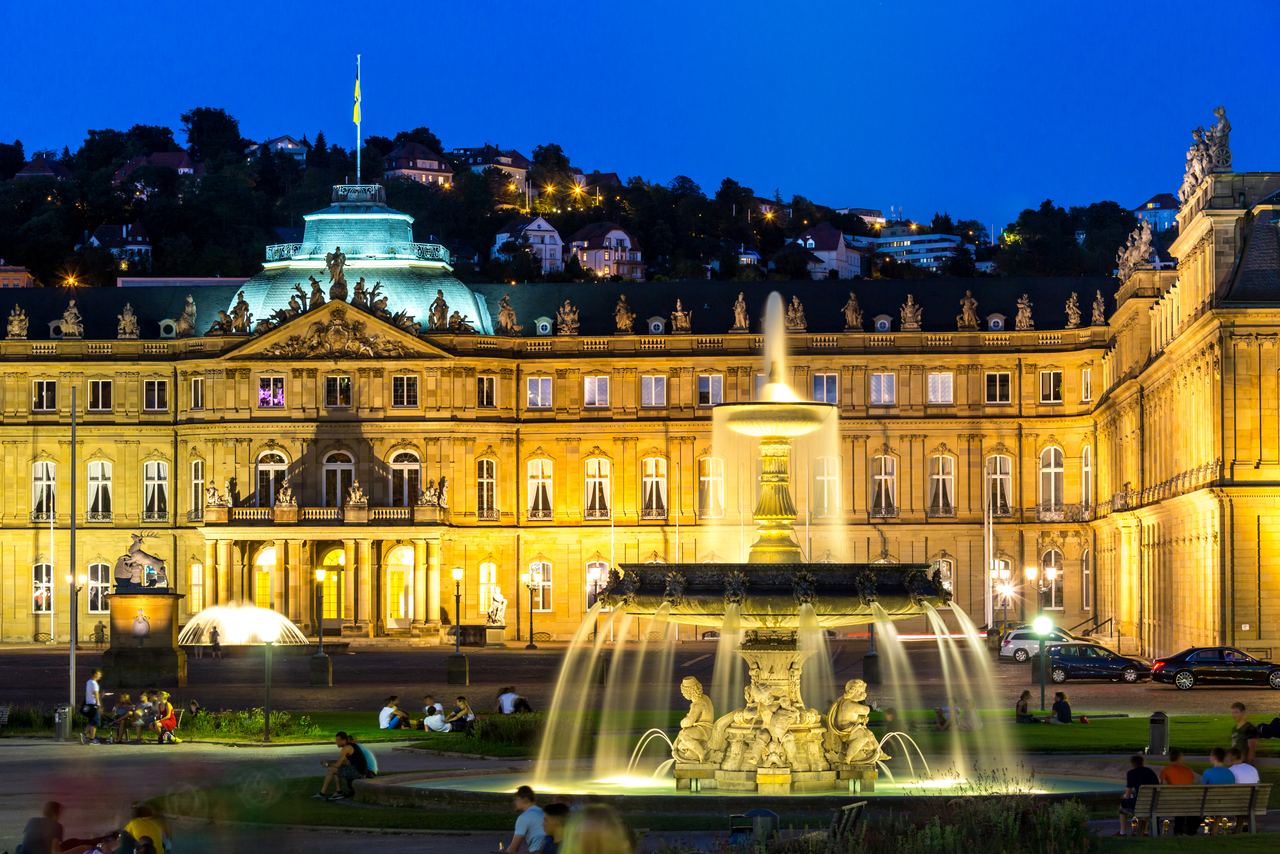
Stuttgart’s main attraction is undoubtedly Schlossplatz with the New Palace. Here, shopping enthusiasts flock to Königsstraße. Directly opposite stands Stuttgart’s imposing art museum, a glass cube that catches everyone’s eye. Alongside the State Theatre, the TV tower and Villa Berg, Stuttgart boasts many beautiful spots. We’d like to share our insider tips for the summer with you here.
Green and (almost) free
Cultural diversity: Every Wednesday from 1 pm, admission to the is free. The is also free of charge all day on Wednesdays. The extension, the Neue Staatsgalerie, designed by James Stirling, is particularly worth a visit for fans of postmodernism. Another architectural highlight is the City Library on Mailänder Platz: in 2011, architect Eun Young Yi created a light-filled masterpiece.
Up high: Looking for a viewpoint? Then visit the tea house in Weißenburgpark. It was built in 1913 by the industrialist Sieglin for his wife. An alternative is the Karlshöhe. This popular viewpoint is located very close to Marienplatz in the south of Stuttgart.
Engineering marvel: Right on Marienplatz runs a very special railway: . Since 1884, it has connected the south of Stuttgart with Degerloch, tackling a gradient of up to 17.8 per cent. Once at the top, you can either continue on foot towards the TV tower or turn back straight away via Schimmelhüttenweg. The journey is free with the Deutschlandticket.
Pure indulgence
is more than just a place to buy fresh food. The Market Hall is a place to enjoy yourself. High-quality vegan delicacies are available, for example, at the stall. One of the co-founders is former national football goalkeeper Timo Hildebrand. Here, and at the restaurant of the same name on Reinsburgstraße, delicious vegan food is served. and also serve delicious vegan cuisine.
Out into nature
Head up high to the Killesberg, one of the state capital’s largest parks. Here there is an adventure playground for the little ones, and a petting zoo with goats, pigs and alpacas. At the highest point of the park stands the Killesberg Tower, an impressive steel mesh structure 42 metres high.
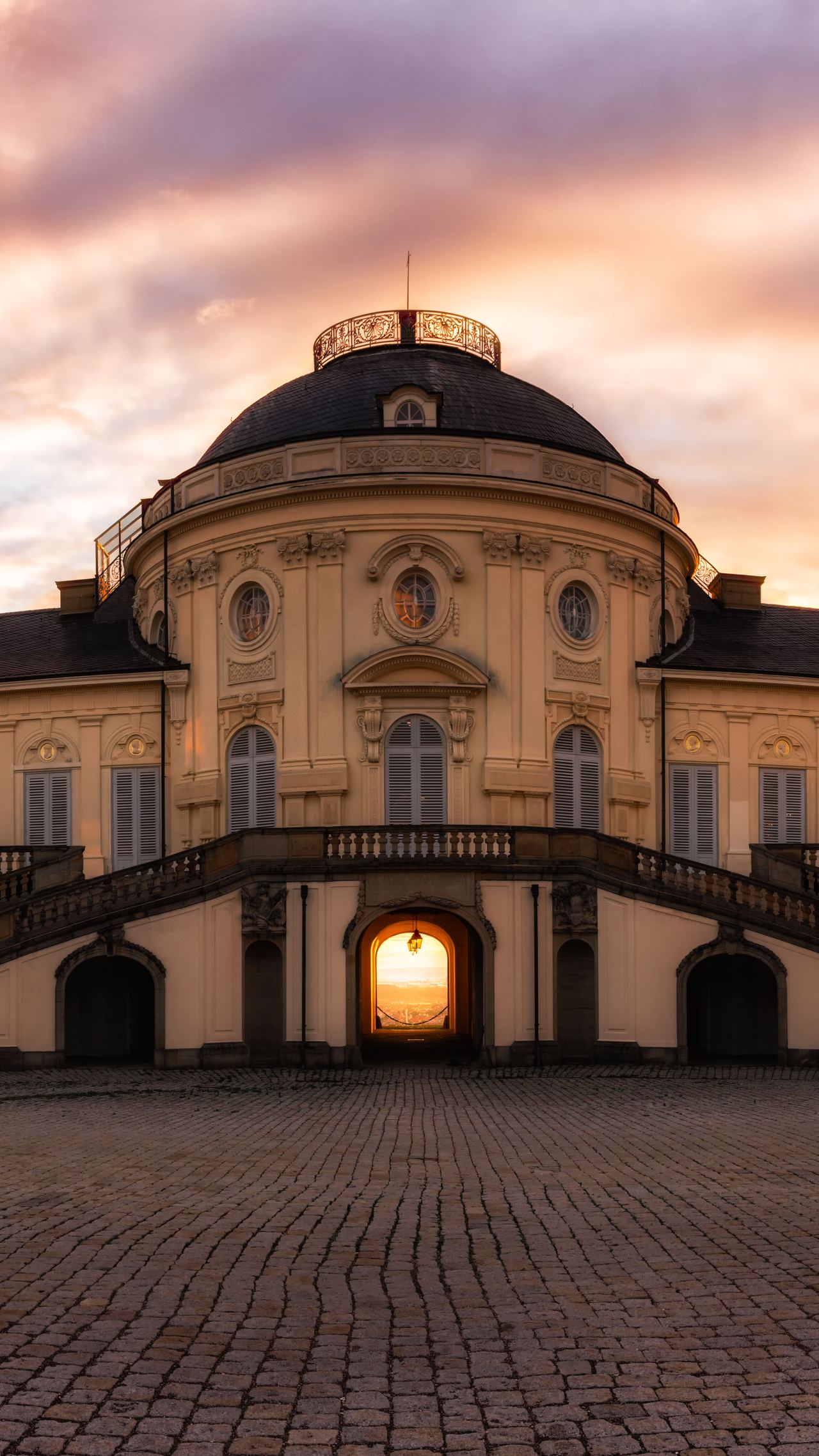
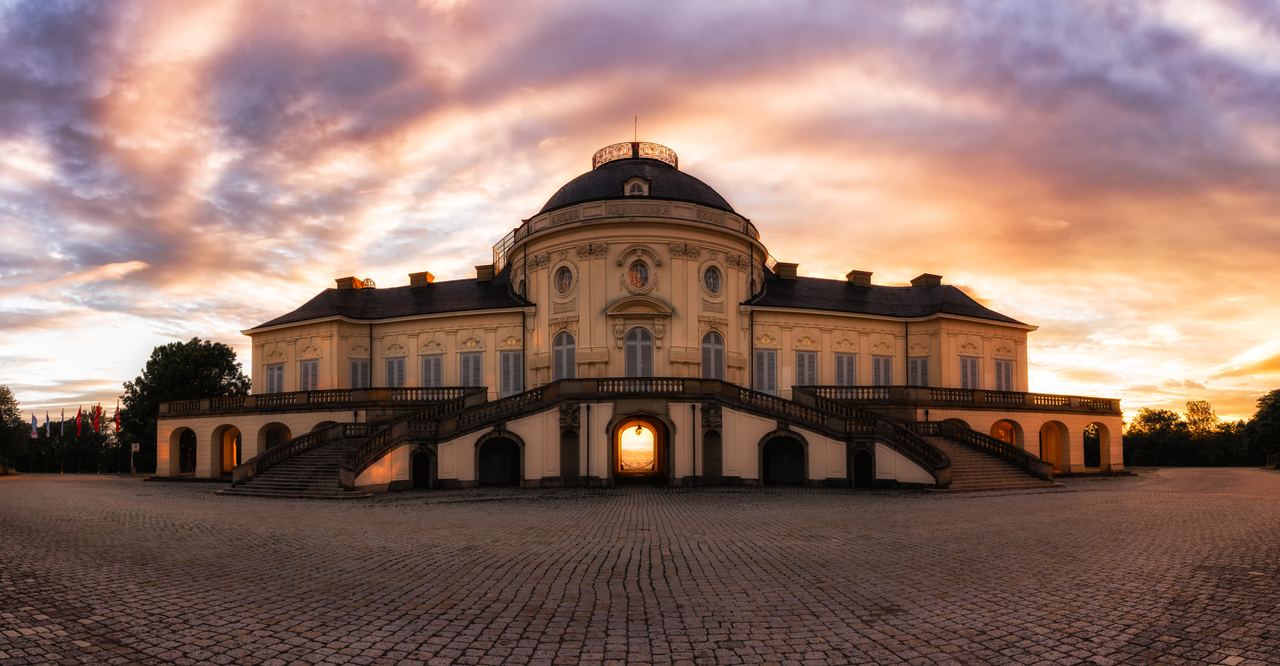
Those drawn to the water can head to the Bärensee in the Stuttgart countryside, with its Bärenschlössle, which once served as a princely hunting lodge. There are numerous walking trails around the lake, for example through the red deer park to the former hunting and state lodge of Duke Carl Eugen of Württemberg, Solitude Palace.
Summer activities
During the warmer months, Stuttgart shows its colourful side. The brings Killesberg Park to life. Once a year, numerous light installations, hundreds of thousands of colourful lamps and spectacular fireworks transform the park into a sea of lights – and do so sustainably. With the support of Stadtwerke Stuttgart, the festival uses 100 per cent sustainable green electricity. At the Festival of Lights, you can marvel, celebrate and dance with a clear conscience. You can do the same at .
Readings, theatre and music are also on offer during the summer months at Stuttgart’s Lapidarium – the garden setting, with its numerous sculptures, gravestones and statues, is particularly idyllic.
On balmy summer nights, Stuttgart’s residents are drawn to the Hans-im-Glück fountain for a nightcap. Alternatively, you can visit the beer bar on Börsenplatz, known as the Palast der Republik, or catch a concert in the cosy