Saarbrücken – Paris
Suggested route
2 cities, 2 countries, one way of life
Travelling sustainably from A to B
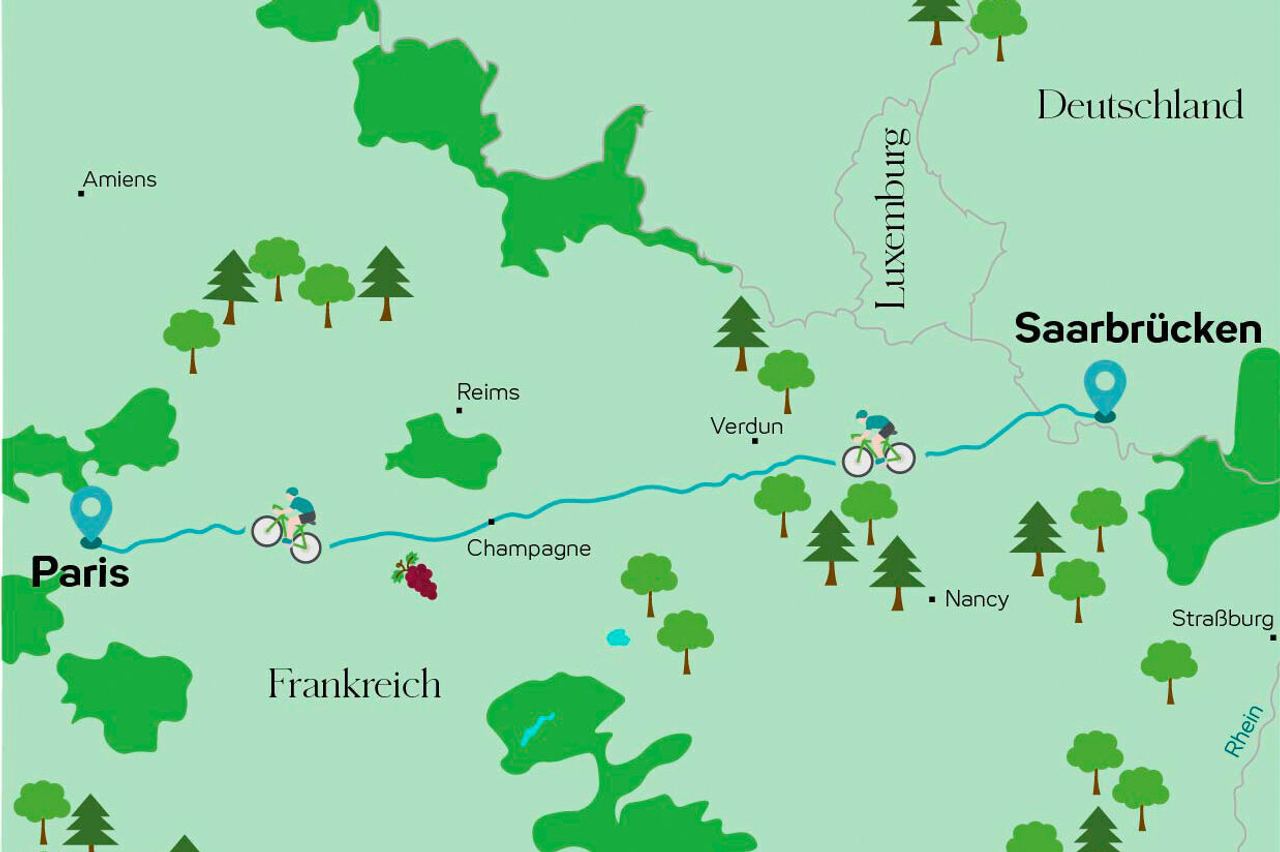
Although there is currently no official cycle route from Saarbrücken to Paris, it is certainly possible to cover the approximately 400-kilometre route over several days, using cycle paths and country roads. One of the route’s main attractions is the variety of landscapes you pass through. Whilst on the first stage to Metz you still have the foothills of the Vosges behind you, on day 2 of the tour the landscape transforms into an idyll of rolling hills, fields and small farms. From Bar-le-Duc, the route follows the Rhine-Marne Canal for a stretch before continuing along country roads through the endless vineyards of Champagne to Épernay. From there, on day 4, you reach the Paris metropolitan area via Meaux. The final kilometres to the centre of the French capital are covered on day 5 along the Canal de l’Ourcq. Once you arrive at our Motel One Paris, we have secure storage facilities for your bike.
Important: In France, it is compulsory to wear a high-visibility vest in poor visibility and in the dark. So always keep one handy in your luggage.
If you’d prefer to reach your destination faster or in a less strenuous way, opt for the direct TGV connection. The high-speed train takes you from Saarbrücken right into the heart of the French capital in under two hours.
Route
Saarbrücken – Paris:
approx. 400 kilometres;
journey time by train: approx. 2.5 hours;
journey time by bike: approx. 21 hours (direct or as a 5-day tour)
Starting point: Saarbrücken
The capital of Saarland brings a touch of savoir-vivre to Germany. This border town combines the French and German ways of life, as well as the cuisine and culture of both countries. What makes the city truly special is its proximity to Saarland’s natural surroundings. Saarland is the only federal state to date to have been awarded the TourCert certification as a sustainable travel destination.
What's on?
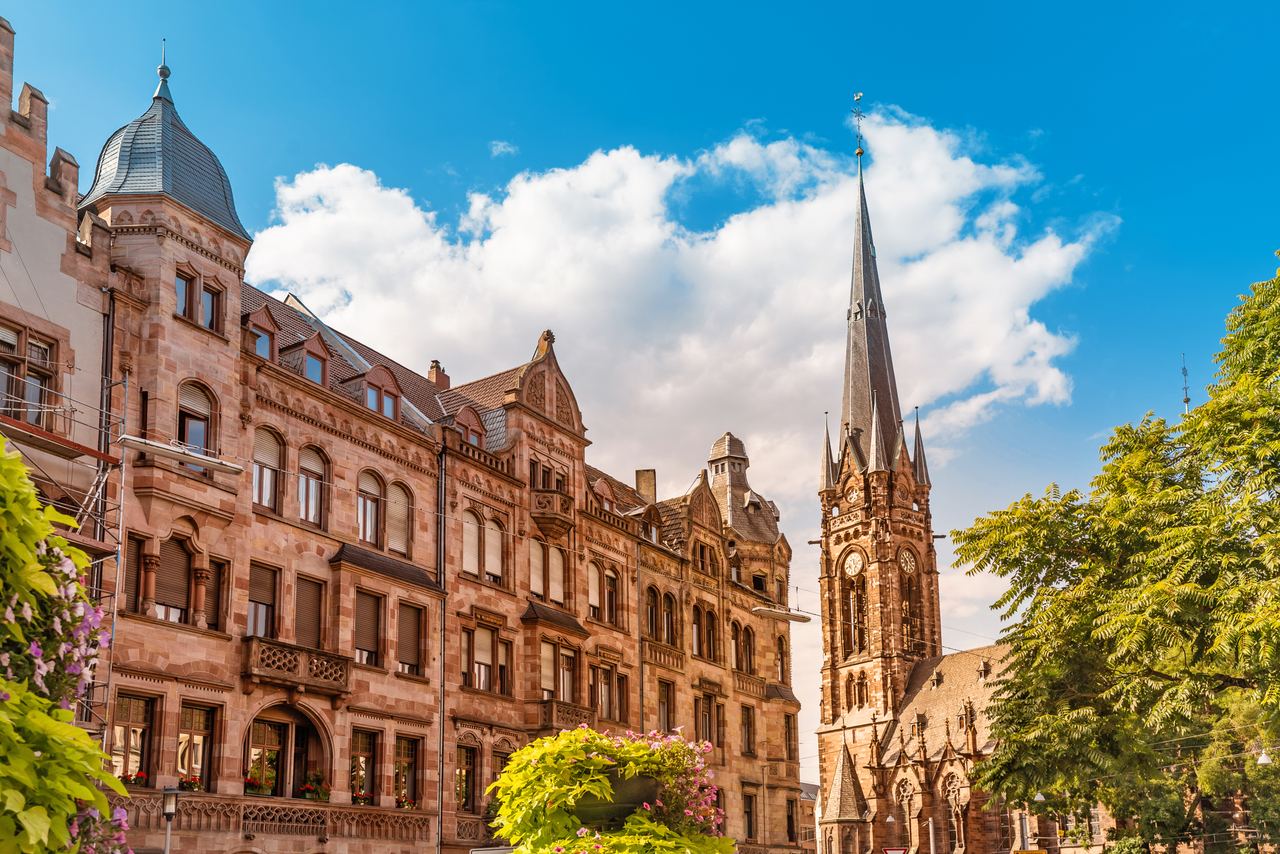
Although the capital of Saarland is compact, it still has plenty to offer. Above all, the historic old town with its half-timbered houses and historic buildings such as the Baroque palace, St John’s Basilica, St Louis’ Church and the Neo-Gothic town hall. A stroll along the River Saar to the historic Seekran is also a must-see for every visitor. This historic building bears witness to the city’s past as a trading centre. If you continue your walk towards the French border, you’ll end up at the Franco-German Garden. Designed in the style of the 1950s and 60s, it offers plenty of greenery and tranquillity. Do you prefer to explore a city through its cuisine? Then St. Johanner Markt is the place for you. This is where locals gather in the numerous bars, cafés and restaurants.
Green and (almost) free
Experience culture: All museums run by the Saarland Cultural Heritage Foundation offer free admission on the first Sunday of the month and on Tuesday afternoons from 3 pm. The museums offering free admission include the Modern Art Gallery, the Old Collection of the Saarland Museum, the Museum of Prehistory and Early History, and the German Newspaper Museum.
Family fun: The perfect destination for travellers with children is Saarbrücken Wildlife Park, which is free to enter. Around 120 native wild and domestic animals live here. Children can also learn more about the animals on guided tours and adventure walks.
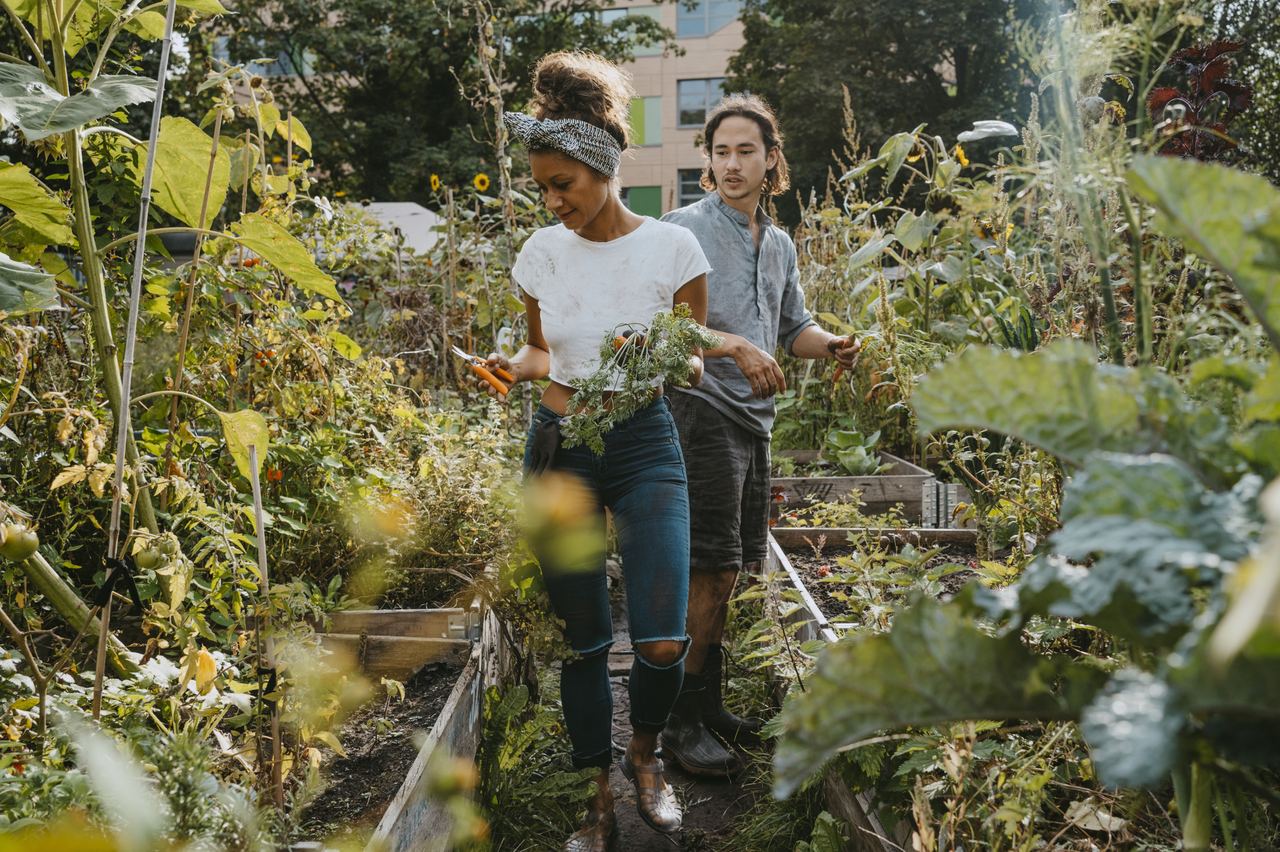
Edible city: Saarbrücken’s green spaces are planted not only with flowers, but also with edible fruit and vegetables. The great thing is: anyone can pick them. So if you fancy a snack of a few berries whilst out and about, you don’t need to head to the nearest supermarket, but simply to the city’s green spaces
Pure enjoyment
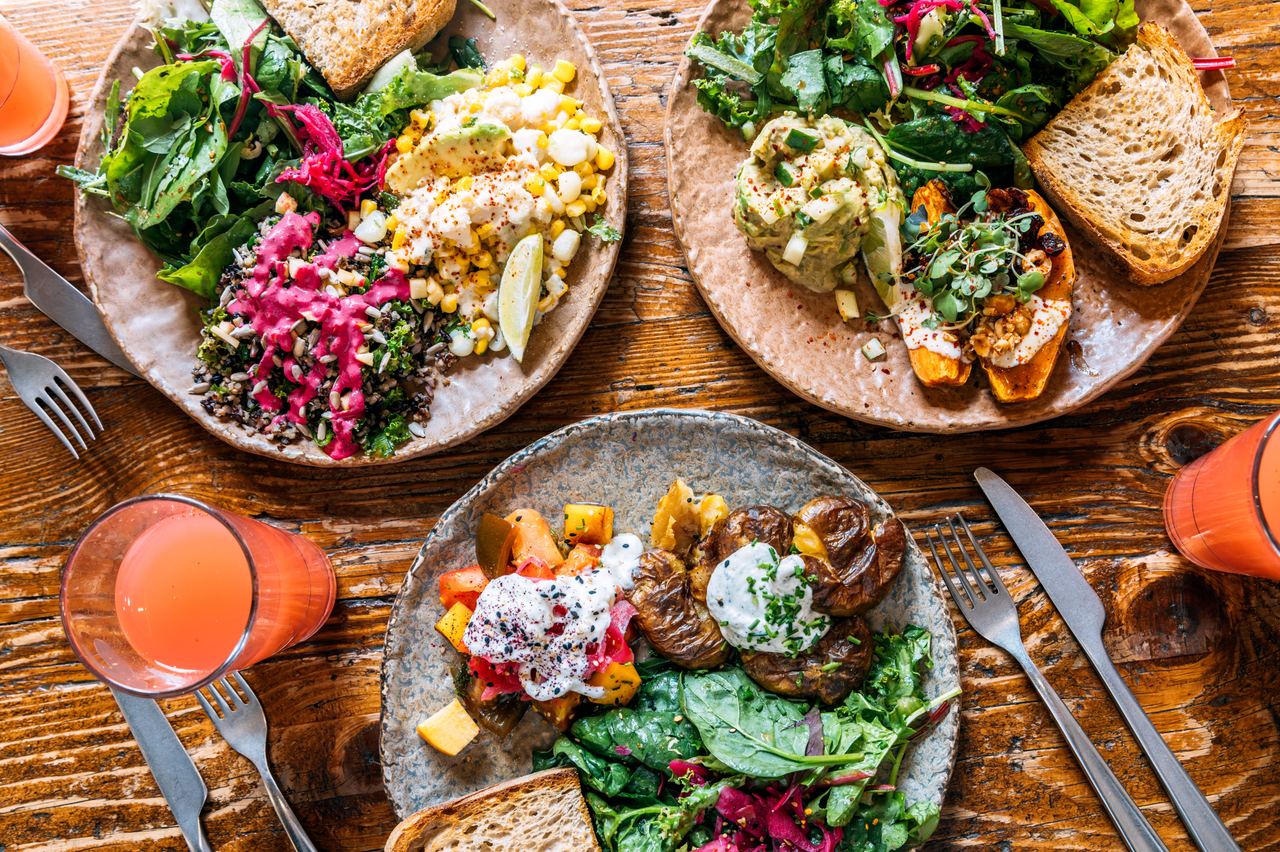
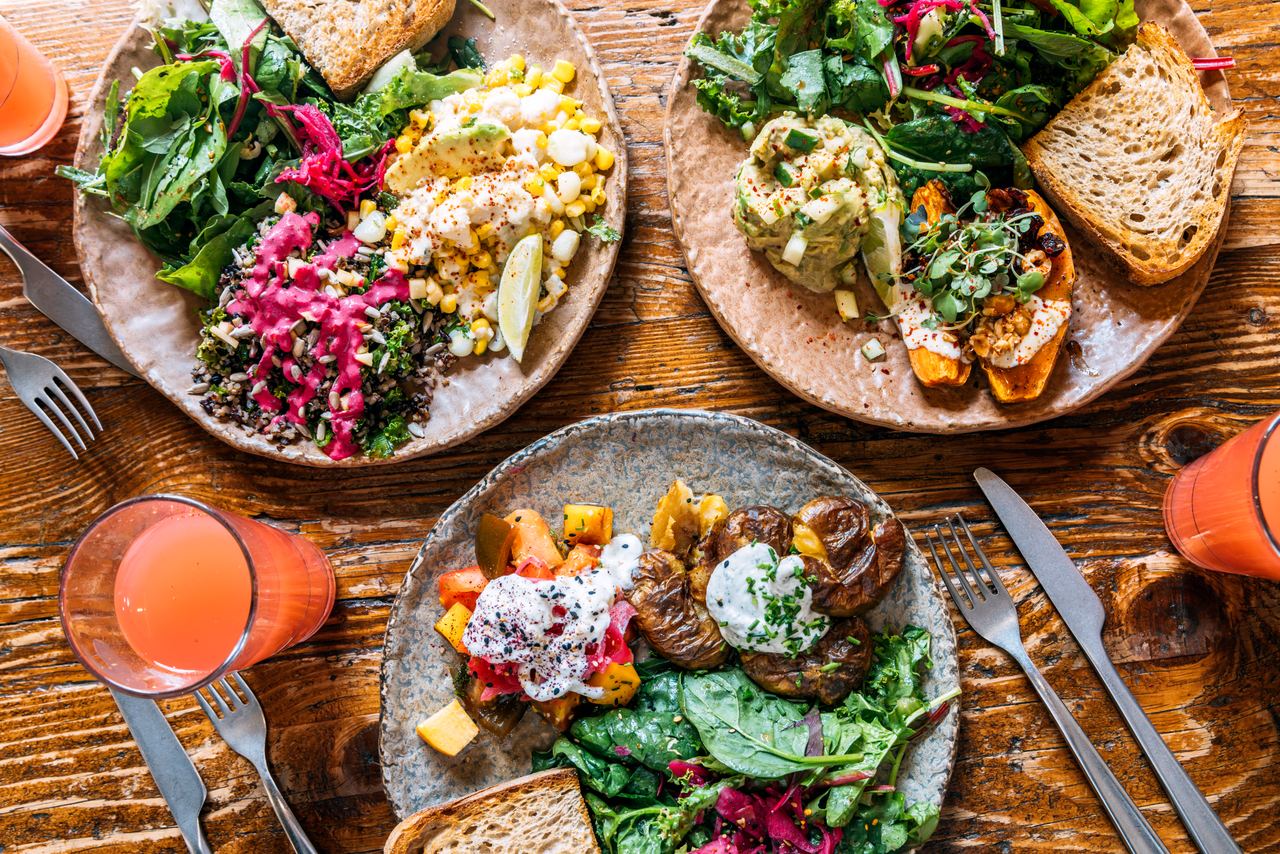
When it comes to food, Saarbrücken combines the best of German and French cuisine. And there are also a few places worth trying out for those looking for meat-free options. is the city’s first vegan bistro and offers delicious cakes and seasonal dishes. Delicious treats are available at any time of day at – from a generous breakfast to bowls and vegetarian tapas platters, there’s something for everyone. Those with a sweet tooth will be spoilt for choice at with cakes (not all vegan!), breakfast, organic fair-trade coffee and vegan chocolate.
Get out into nature
Anyone planning a trip into the countryside is spoilt for choice, as 66 per cent of Saarland is designated as a nature reserve. Take, for example, the . The best way to experience this primeval European forest is on foot. The is ideal for this, running right through the national park and offering the option of walking it in stages. Stage 1 from Perl to Hellendorf is considered particularly beautiful. This 17-kilometre route takes you through the Dreiländer-Eck and enchanted forests. Stage 2 offers plenty of panoramic views. It leads from Hellendorf to Mettlach (both hikes are about a 1.5-hour train ride from Saarbrücken).
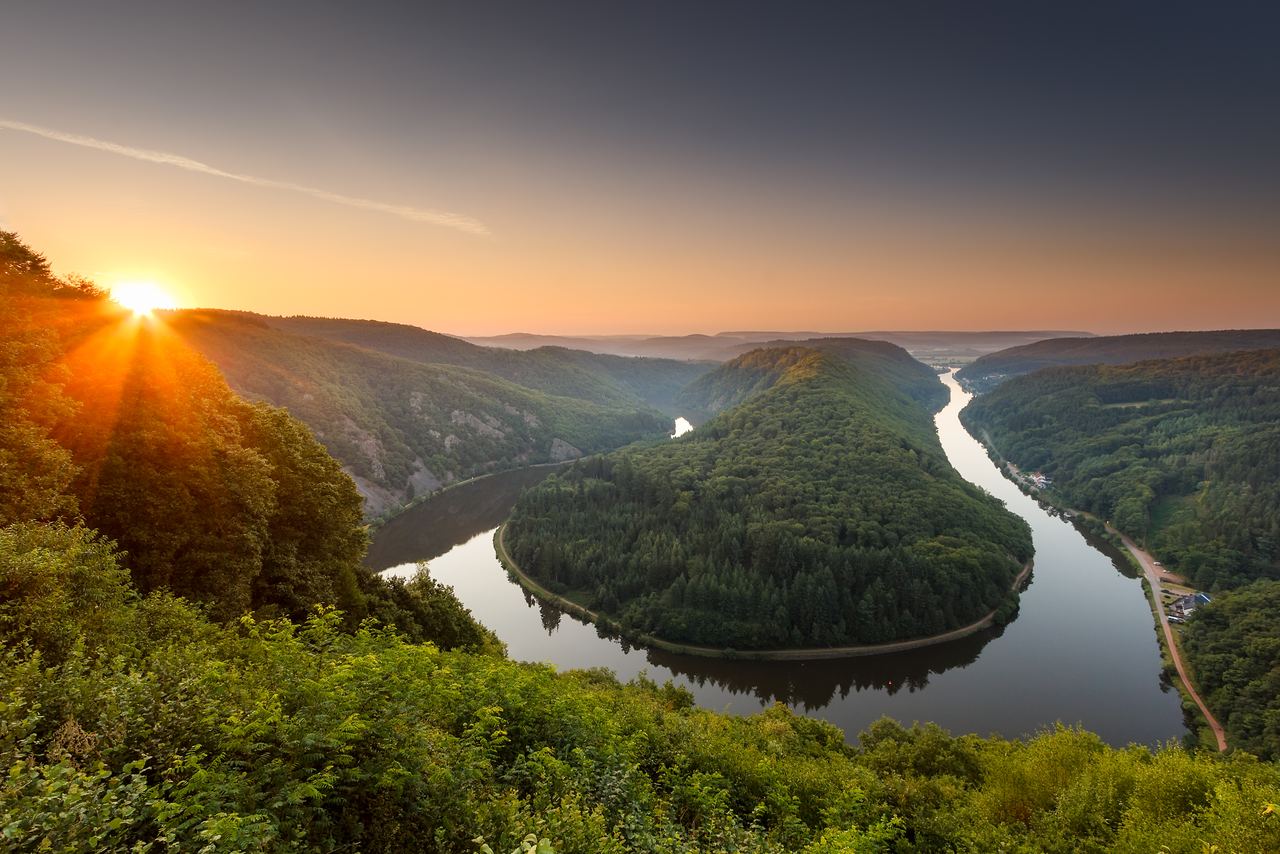
There are also stunning views at the Saar Loop near Cloef. The best view of the picturesque river bend and the surrounding forests is from the treetop walk (approx. 1.5 hours away by train).
Those exploring the state by bike can follow the Saar Cycle Route, which is around 110 kilometres long. This route crosses the entire state – past vineyards in Saarburg to floodplain landscapes and marshy meadows teeming with wildlife in the Bliesgau region south of Saarbrücken.
That's possible in the summer
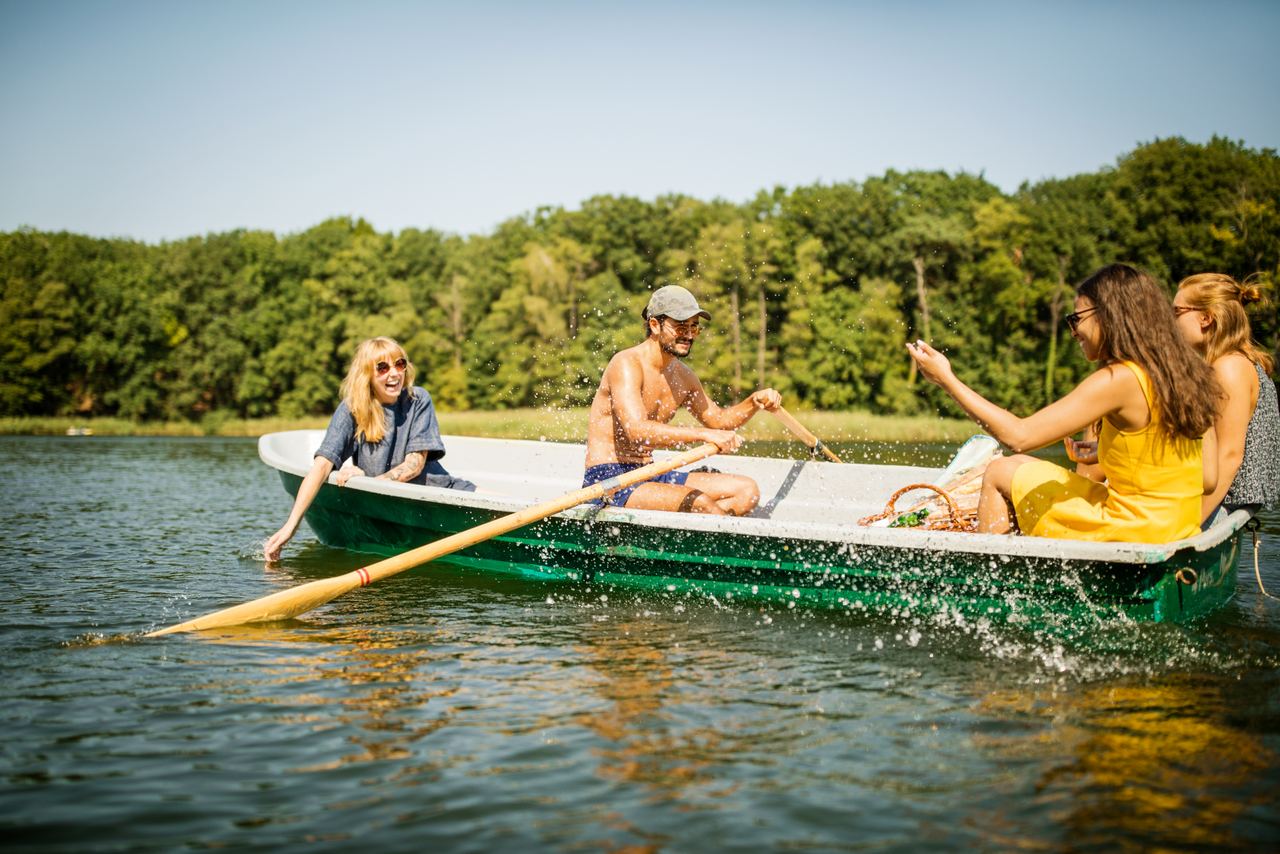
Fancy a dip? Then head down to the Saar to explore the city from the water by boat or stand-up paddleboard (both available to hire from ). For those looking to get out of the city, a day trip to Lake Bostal is ideal. The 120-hectare lake is set amidst the low mountain range landscape of the Saar-Hunsrück and offers plenty of space for water sports. Those who prefer a leisurely cruise should head to Mettlach (around 45 minutes by train) to discover the Saar and the Saar Loop from the water on a boat tour.
After cooling off, it’s back to the bustling streets of Saarbrücken. Numerous festivals fill the alleyways with music. Local artists from a wide range of genres perform in the Franco-German Garden. At , the mix of local and international artists attracts large crowds, and at the trendy and artistic district celebrates with three days of alternative music.
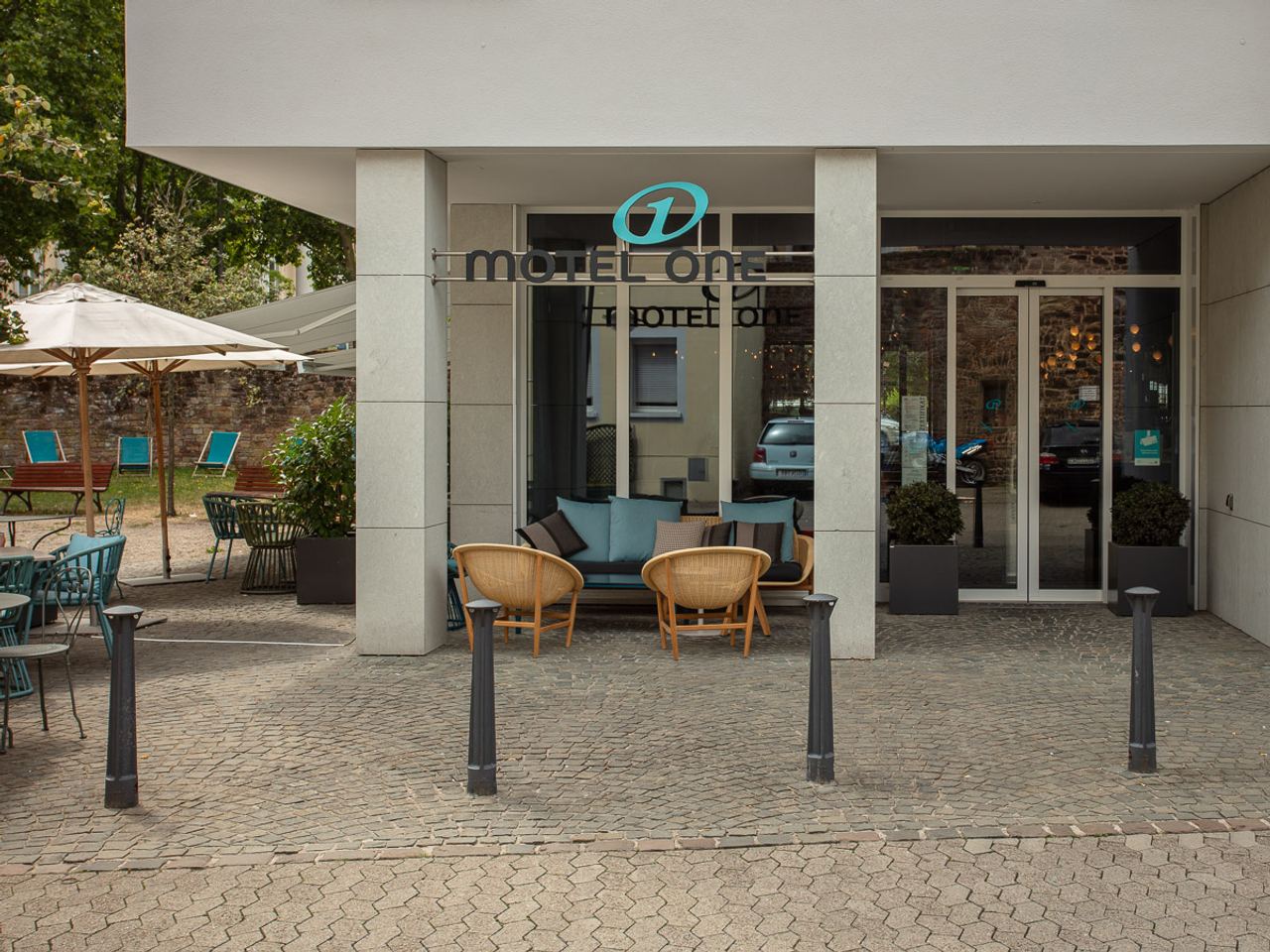
Motel One Saarbrücken
Fancy a green holiday?
Destination: Paris
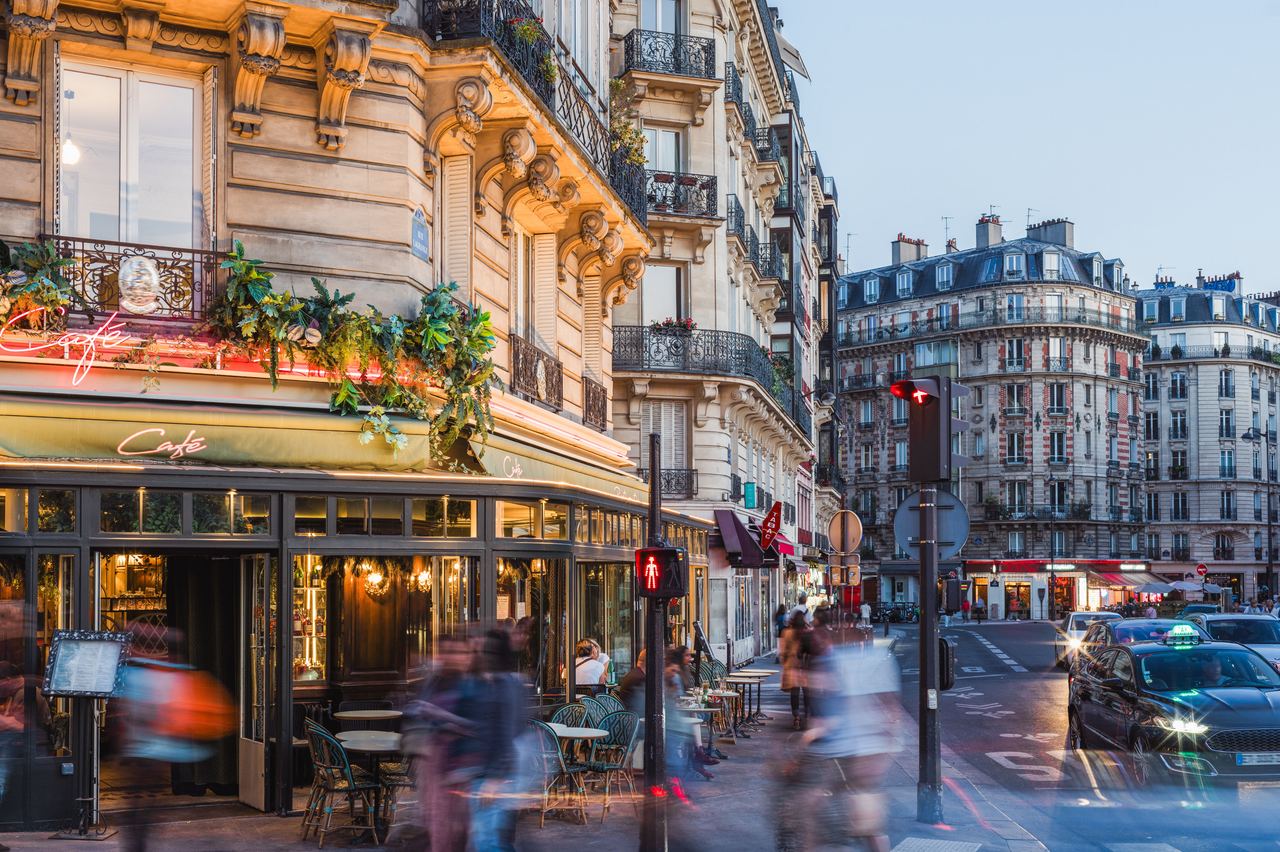
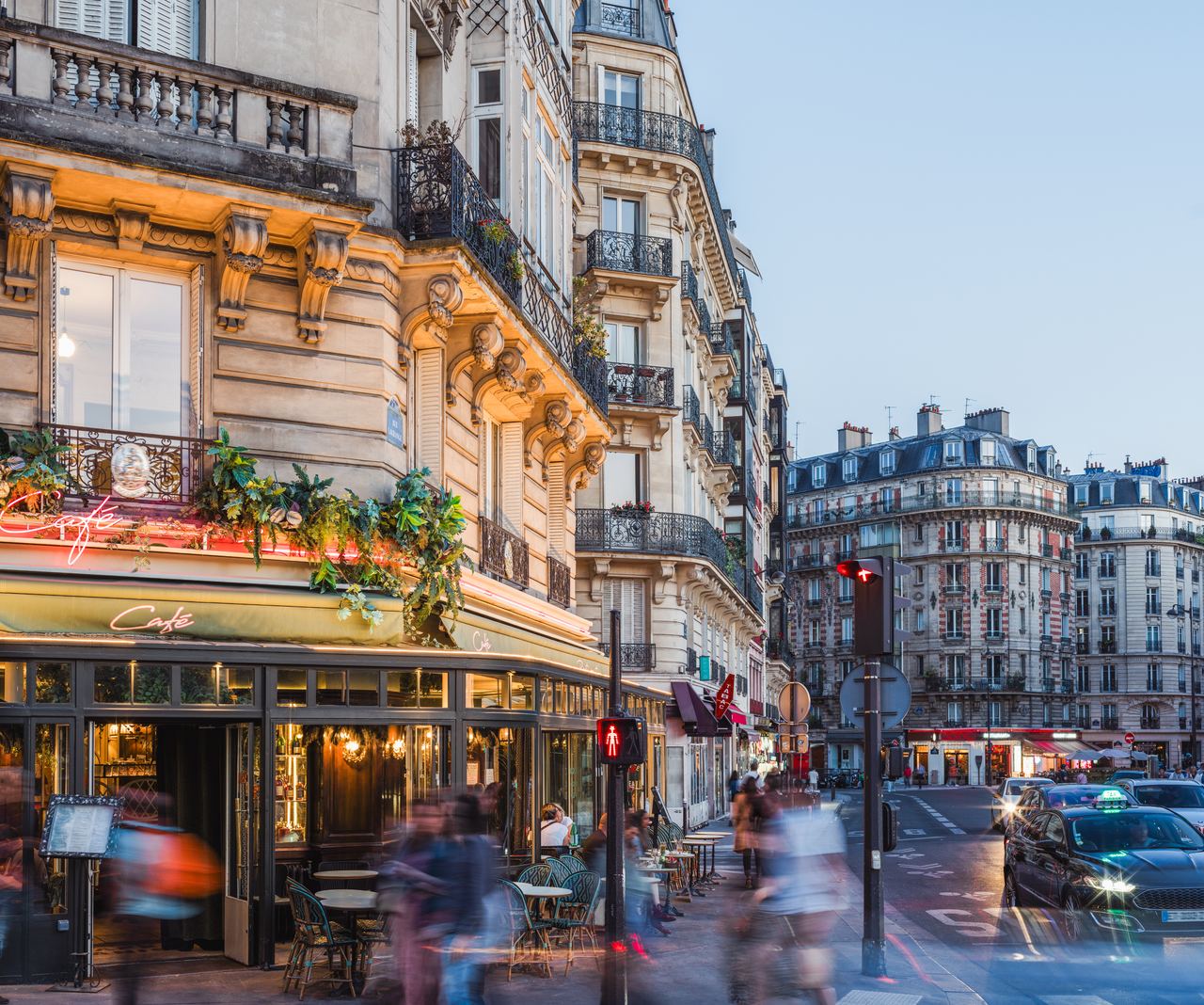
Paris in summer exudes an air of contrasts. Whilst everyday life in Paris slows down, the city simultaneously blossoms and comes to life. Now is the best time to explore the city by bike – and it’s now even a relaxed and safe experience. This is because the French capital is constantly expanding its cycle paths to make cycling a more attractive option whilst reducing air pollution.
What’s on?
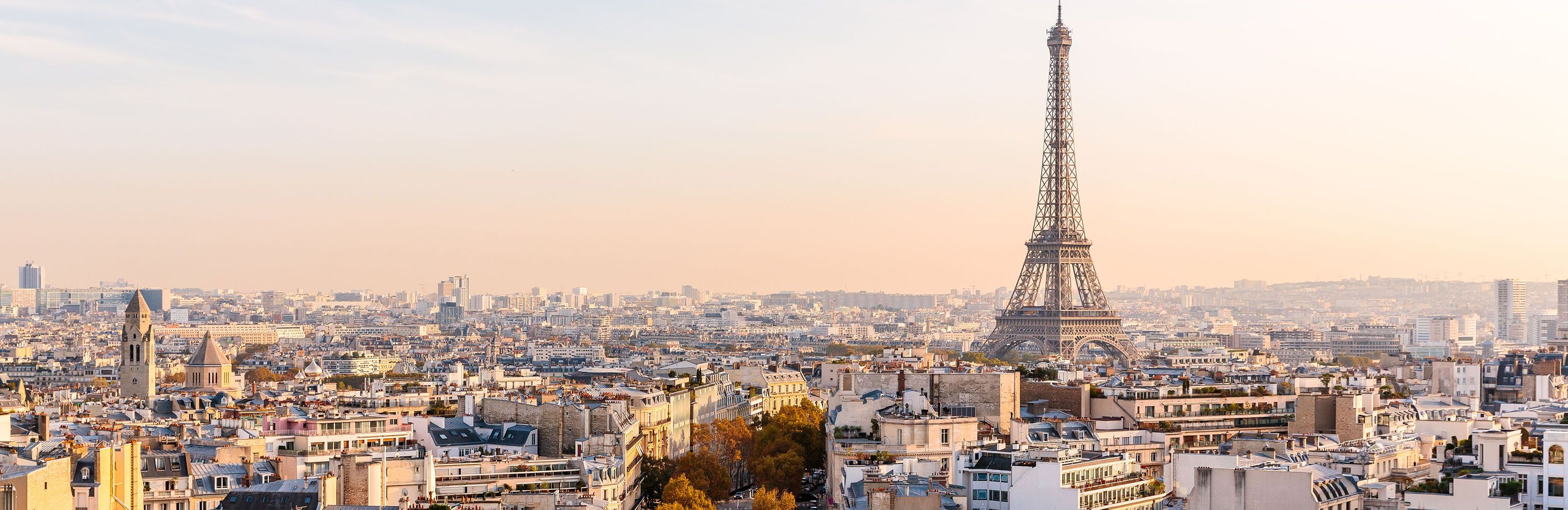
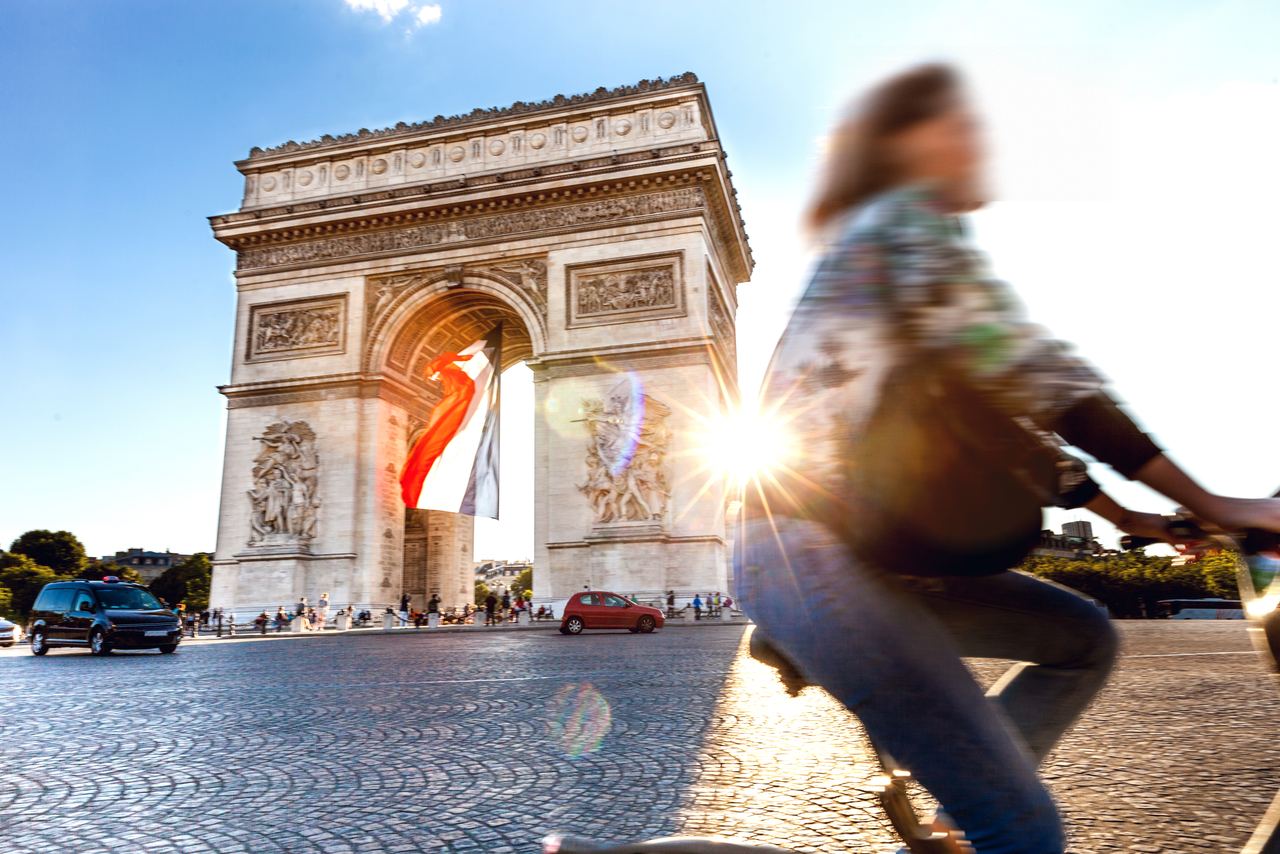
The Eiffel Tower, the Louvre, the Arc de Triomphe, Notre-Dame and Sacré-Cœur – there is so much to discover in Paris. Our tip: explore the city on foot or by bike. This way, you’ll not only get a good overview of the must-see sights, but also soak up the Parisian atmosphere at the same time. As most of the sights are clustered around the Seine, we recommend simply strolling along the river and popping off to the sights from there. Only Sacré-Cœur and the Jardin du Luxembourg are a little further afield.
You can have the city shown to you by locals on the guided tours offered by . The initiative offers the long-term unemployed the chance to get back into the daily routine of work.
Tip: If you get thirsty during your walk, you can top up your bottles at the city’s many Wallace fountains.
Green and (almost) free
Cycling: The city is working to make Paris more attractive to cyclists and is continuing to expand its cycle network. This includes the Velib’Metropole scheme, which allows you to hire bikes and return them at numerous stations across the city. The first 30 minutes are free, and day passes cost five euros.
Views: You don’t have to pay for panoramic views in Paris – these are available at the Galerie Lafayette department store (8th floor) and the Printemps department store (9th floor). Simply take the lift right to the top of these historic department stores.
Art & Culture: People under 26 benefit from reduced-price or even free entry to museums. Those who have already passed this age limit are in luck on the first Sunday of the month and can visit some of the city’s museums free of charge (up-to-date information is available from the Paris Tourist Office). Other museums such as the Petit Palais, the Musée d’Art Moderne and the Perfume Museum are free all year round.
Pure enjoyment
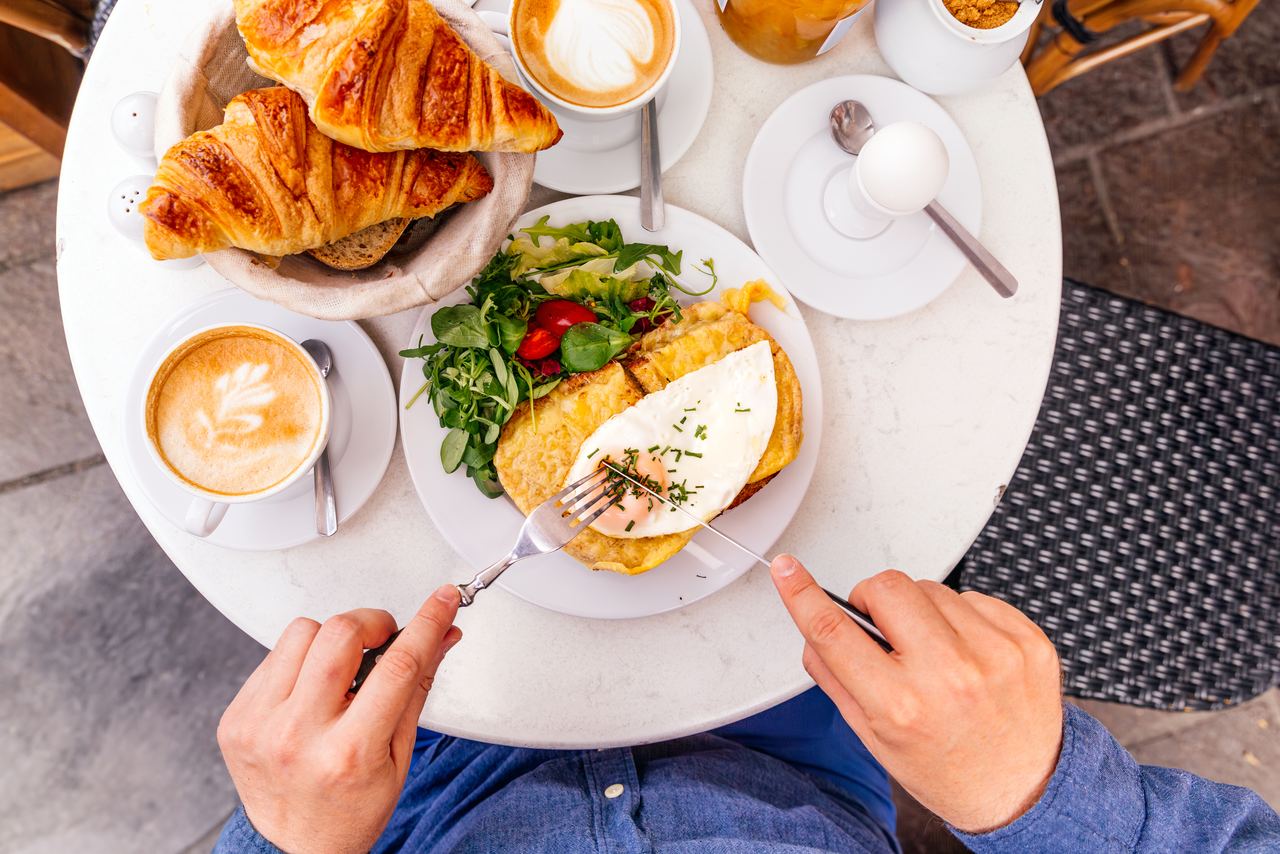
French cuisine is world-famous – though not necessarily for meat-free dishes. However, this is gradually changing, and the French capital is offering an increasing number of restaurants for vegans and vegetarians. The city’s oldest vegetarian restaurant – – translates as ‘The Marais Vegetable Garden’ and puts a new spin on French classics. You’ll also find these perennial favourites at . Healthy cuisine is also on offer at and . Vegan raw food at .
At the vegan concept store , visitors can enjoy creatively topped sandwiches, burgers and homemade cakes. Naturally, croissants are a must on any ‘must-try’ list. These are available at or – and they’re even vegan.
Get out into nature
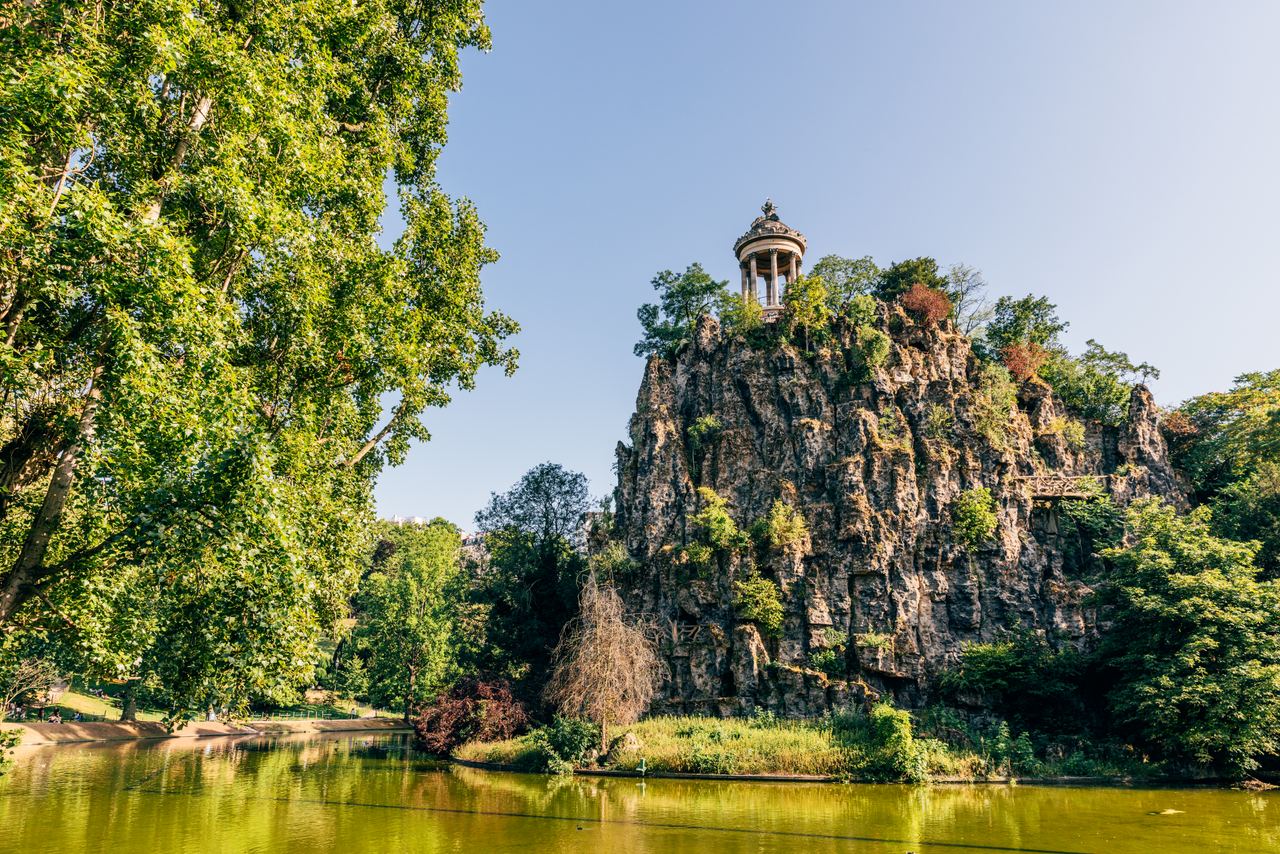
The city boasts numerous famous green spaces, such as the Jardin des Tuileries and the Jardin du Luxembourg. Less well-known, but no less beautiful, is the . The former railway line has been planted with lime trees, roses and hazel bushes and forms a 4.5-kilometre-long walking trail right in the heart of the city. The Bois de Vincennes, with its rose gardens, playgrounds, pond and small farm, is also one of the city’s most beautiful recreational areas. If you’re looking for something a bit more romantic, it’s well worth a detour to the Parc de Buttes-Chaumont in the north-east. The undulating park is laid out in the English style and offers panoramic views of the City of Love. Fancy getting right out of the city? Then hop on a train at Gare de Lyon for a 40-minute journey to the for hiking, climbing or simply to relax.
That's possible in the summer
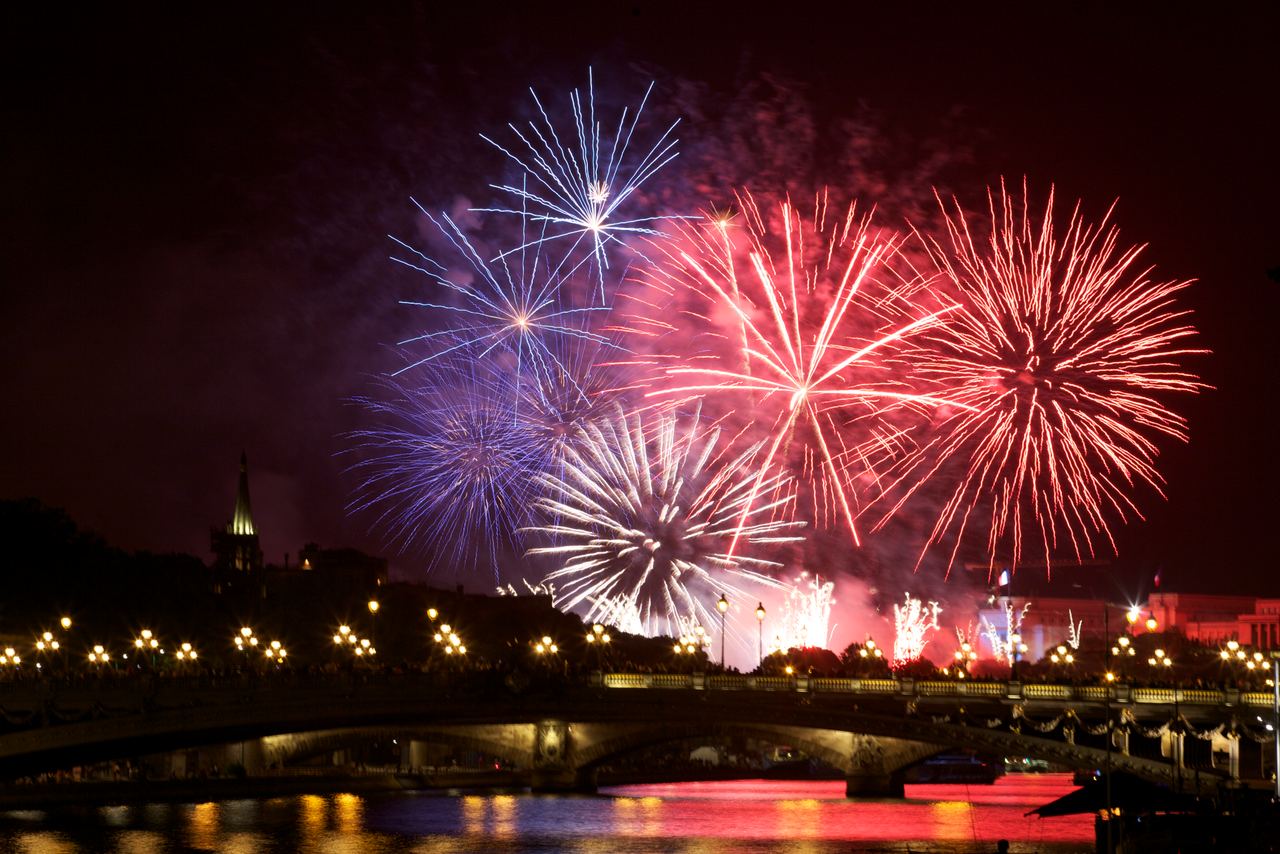
Every year, 14 July is the day when France really lets its hair down. The national holiday is celebrated not only in the capital but across the whole country with open-air parades, concerts and fireworks. But the streets are just as lively on the rest of the summer days. There’s the , where both amateurs and professionals perform in the streets and parks. At , the usually so prim and proper Paris goes wild for three days. At the smaller version, , you can listen to the artists for free, just as you can at the free .
Every summer, the banks of the Seine are also transformed into a huge beach. The summer event sees the creation of many small bathing spots along the Seine and its tributaries, such as the swimming pools at the . What else should you not miss if you want to feel like a true Parisian? Playing pétanque (boules) in the park!
Motel One Paris Porte de Versailles
Lust auf nachhaltiges Paris-Feeling?